Evaluating Lumerita for Modern Design Projects
Selecting the appropriate typeface is a foundational decision in any design project, influencing not only aesthetics but also readability and brand perception. Lumerita presents itself as a classy ligature serif font positioned as a multipurpose solution for contemporary layouts. It distinguishes itself through high-contrast glyphs that attempt to balance feminine elegance with masculine structure. For designers and brand managers evaluating this typeface, understanding its specific characteristics, optimal use cases, and potential limitations is essential for determining if it aligns with current project goals.
Defining the Lumerita Aesthetic
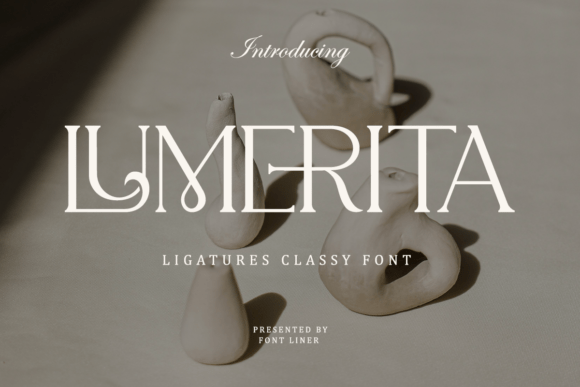
Lumerita falls within the modern serif category, characterized by significant stroke contrast between thick verticals and thin horizontals. This high contrast is the primary driver of its visual identity, lending the typeface a refined and somewhat traditional appearance while maintaining clean lines suitable for modern media. The inclusion of ligatures—special characters where two or more letters are joined into a single glyph—adds a layer of typographic sophistication often associated with custom lettering or high-end editorial design.
The description of Lumerita possessing both feminine and masculine qualities refers to this structural balance. The curved terminals and fluid connections suggest softness and approachability, traits often coded as feminine in typography. Conversely, the strong vertical stress and sharp serifs provide stability and authority. This duality makes Lumerita a versatile candidate for brands that wish to avoid leaning too heavily into either extreme, aiming instead for a neutral yet distinctive sophistication.
Primary Use Cases and Applications
While marketed as a multipurpose font, Lumerita performs best in specific contexts where its display qualities can be appreciated without compromising function. Evaluating where this typeface excels helps prevent misuse in environments where it may struggle.
Display and Headlines
Lumerita is strongest when used at larger point sizes. As a display font for headings, logos, and branding assets, the intricate details of the ligatures and the high contrast remain crisp and legible. In these applications, the font acts as a visual anchor, drawing attention and establishing tone immediately. It is particularly effective for magazine covers, product packaging, and wedding invitations where the typography serves as a primary decorative element.
Short-Form Body Copy and Quotes
Unlike standard text serifs designed for long-form reading, Lumerita is better suited for short bursts of body copy. Pull quotes, captions, and introductory paragraphs benefit from its personality without taxing the reader’s eye over extended periods. The open spacing and distinct letterforms make it excellent for highlighting specific messages within a layout, provided the line length is managed carefully.
Technical Considerations and OpenType Features
A significant factor in evaluating Lumerita is its technical implementation. The font includes OpenType features, which are crucial for maximizing its utility. These features typically include alternate characters, discretionary ligatures, swashes, and stylistic sets. Accessing these features allows designers to customize the typesetting to avoid awkward collisions or repetitive shapes.
However, the presence of OpenType features introduces a workflow consideration. Designers must be proficient in accessing and applying these alternates through software like Adobe Illustrator, InDesign, or Figma. If a team lacks the technical knowledge to utilize these features, they may only experience the default character set, potentially missing out on the ligatures and refinements that define Lumerita’s value proposition. Furthermore, web implementation requires ensuring that the webfont files include these OpenType tables and that CSS is correctly configured to enable them, which can add complexity to development.
Benefits and Tradeoffs
Objective evaluation requires weighing the advantages against potential drawbacks. No typeface is universally perfect, and Lumerita is no exception.
Key Benefits
- Versatile Tone: The balance of structural weight and elegant curves allows it to bridge gaps between luxury, editorial, and modern minimalist aesthetics.
- Built-in Customization: Ligatures and alternates reduce the need for manual vector adjustments, saving time during the logo and headline design process.
- High Impact: The high contrast ensures strong hierarchy creation, making it easy to distinguish headers from supporting text.
- Modern Legibility: Despite its decorative elements, the underlying skeleton is based on readable forms, avoiding the excessive ornamentation that plagues some vintage revival fonts.
Potential Tradeoffs
- Readability at Small Sizes: High-contrast serifs can suffer from disappearing hairlines on low-resolution screens or in small print sizes. Testing across devices is mandatory.
- Contextual Limitations: The distinct personality of Lumerita may clash with highly technical, corporate, or utilitarian interfaces where neutrality is preferred.
- Ligature Management: Automatic ligatures can sometimes create uneven spacing or unexpected joins in all-caps settings or tight tracking scenarios, requiring manual override.
- Loading Performance: Fonts with extensive glyph sets and OpenType features often have larger file sizes, which can impact page load times if not optimized correctly for web use.
When to Consider Alternatives
Recognizing when Lumerita is not the right choice is as important as knowing when it is. Decision-makers should consider alternative typefaces in the following situations:
- Long-Form Digital Content: For blogs, news sites, or documentation requiring thousands of words, a dedicated text serif with lower contrast and optimized hinting (such as Merriweather or Source Serif) will provide superior reading comfort.
- User Interface Design: Functional UI elements like buttons, navigation menus, and form labels generally require sans-serifs or robust slab serifs. Lumerita’s delicate strokes may fail accessibility standards for contrast and clarity at interface scales.
- Strictly Corporate Identity: While Lumerita balances masculine and feminine traits, industries requiring absolute stoicism (e.g., finance, law, heavy industry) may find the ligatures too expressive. A transitional or geometric serif might convey the necessary gravity without perceived flair.
- Tight Budgets or Timelines: If a project cannot accommodate the time needed to properly configure OpenType features or test rendering across legacy browsers, a simpler system font stack or a more forgiving Google Font alternative may be the pragmatic choice.
Making the Final Selection
Lumerita offers a compelling package for projects prioritizing aesthetic refinement and typographic detail. Its strength lies in display work, branding, and short-form editorial content where its high contrast and ligatures can shine. It is a tool for creating atmosphere and hierarchy rather than pure utility.
Before committing to Lumerita, conduct practical testing. Set sample headlines and body copy at intended sizes. Test the OpenType features in the actual production environment. Verify accessibility contrast ratios against background colors. By validating these factors against specific project requirements, designers can confidently determine whether Lumerita provides the right foundation for their visual communication or if an alternative better serves the user's needs.