Evaluating Silkydusk for Luxury Branding and Editorial Design
Selecting the appropriate typeface is one of the most critical decisions in establishing a visual identity. For designers and brand strategists focused on high-end markets, the choice often narrows to serifs that convey heritage, elegance, and modernity simultaneously. Silkydusk enters this space as a luxury minimal modern serif font designed specifically for projects requiring a refined aesthetic. Understanding its specific characteristics, technical capabilities, and practical limitations is essential for determining whether it aligns with current project requirements or long-term branding goals.
Defining the Silkydusk Aesthetic
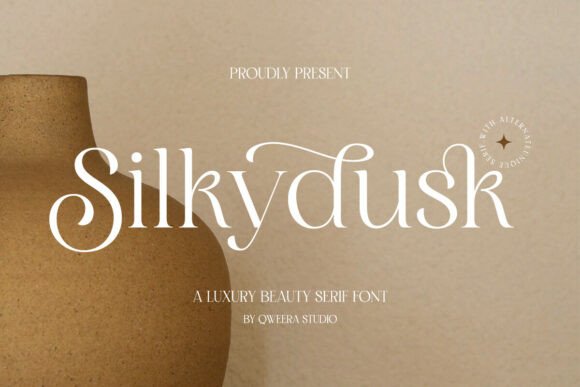
Silkydusk is categorized as a modern serif, but it distinguishes itself through a focus on smooth curves and balanced proportions rather than extreme contrast. While many contemporary luxury fonts rely on razor-thin hairlines and heavy vertical strokes to create drama, Silkydusk adopts a softer approach. The letterforms feature graceful alternates and delicate ligatures that introduce a handcrafted quality without sacrificing legibility. This balance makes it a hybrid solution; it possesses the formal structure required for corporate luxury branding while retaining the organic fluidity often associated with boutique fashion or wedding stationery.
The typeface includes comprehensive multilingual support and is available in professional formats including OTF, TTF, and WOFF. This technical foundation ensures that the font performs consistently across print packaging, digital editorials, and web-based logo applications. The inclusion of alternate characters allows designers to customize logotypes and headlines, preventing the repetitive look that can sometimes occur when using standard serif families for prominent brand assets.
Primary Use Cases and Strategic Fit
Evaluating Silkydusk requires matching its design attributes to specific industry needs. It is not a universal utility font; rather, it is a specialized tool for distinct contexts.
- Fashion and Beauty Editorials: The font’s smooth curves and elegant strokes make it highly effective for magazine covers, cosmetic packaging, and skincare branding. It communicates softness and premium quality, which are key signifiers in the beauty sector.
- Wedding and Event Stationery: Traditional script fonts can sometimes feel dated or difficult to read. Silkydusk offers a legible alternative that maintains romance through its ligatures and alternates, suitable for invitations where clarity and sophistication must coexist.
- Luxury Logo Design: For brands seeking a timeless mark, the font’s balanced proportions allow it to function as a standalone wordmark. The availability of unique alternates enables designers to modify specific letters to create a proprietary logo feel without commissioning a fully custom typeface.
- Premium Packaging: On physical products, the weight and spacing of Silkydusk remain stable at various sizes. This is crucial for luxury goods where packaging texture and typography interact closely.
Benefits and Technical Advantages
The primary benefit of adopting Silkydusk is its versatility within the luxury niche. Many serif fonts excel at display sizes but fail in body text due to poor hinting or excessive contrast. Silkydusk is engineered to handle both bold headlines and refined body copy, reducing the need to pair multiple serif families. This cohesion simplifies design systems and ensures brand consistency across different touchpoints.
Furthermore, the inclusion of WOFF files addresses a common gap in luxury typography. Historically, high-end serifs were restricted to print due to licensing or technical limitations. Having web-ready formats allows brands to extend their premium visual identity to e-commerce platforms and digital campaigns without compromising on typographic quality. The extensive character set also supports international branding efforts, ensuring that the luxurious tone is preserved across different languages and regions.
Tradeoffs and Practical Considerations
Despite its strengths, Silkydusk presents specific tradeoffs that must be weighed during the selection process. As a font rooted in minimalism and elegance, it lacks the robustness of geometric sans-serifs or slab serifs. It may not be suitable for brands that need to communicate ruggedness, industrial strength, or aggressive tech-forward innovation. Using Silkydusk in these contexts could create a dissonance between the visual message and the brand's core values.
Readability at very small sizes is another consideration. While it performs well in body text, the delicate ligatures and fine details that define its character may lose definition in low-resolution environments or extremely small footnote text. Designers should test the font at the smallest intended size before finalizing production files. Additionally, because the font relies heavily on alternates and ligatures for its full effect, it demands a higher level of typographic attention. Automated typesetting may result in awkward spacing or missed opportunities for connection; manual refinement is often necessary to achieve the intended prestige.
When to Consider Alternatives
Decision-makers should evaluate alternatives if the project scope extends beyond the luxury or editorial spectrum. If the design system requires a single typeface family to cover everything from legal disclaimers to mobile app interfaces, a more utilitarian serif or a versatile sans-serif might offer better functional coverage. Silkydusk is a specialist, not a generalist.
Budget and licensing scalability are also factors. While Silkydusk provides significant value for specific applications, large-scale enterprise deployments requiring unlimited desktop and web seats might find broader foundry subscriptions more cost-effective. Conversely, if the project is strictly digital and performance is paramount, variable fonts or system-optimized serifs might offer faster load times than traditional WOFF files, although potentially at the cost of bespoke aesthetic details.
Making the Final Selection Decision
Determining whether Silkydusk is the right investment involves testing it against actual project content. Rather than evaluating the font based solely on promotional specimens, designers should set real headlines, product descriptions, and navigation elements. Assess how the alternates interact with the specific brand name and whether the ligatures enhance or distract from readability.
Consider the longevity of the design. Silkydusk leans toward timeless sophistication rather than trending aesthetics. If the goal is a rebrand intended to last five to ten years without feeling dated, its restrained modernism is an asset. However, if the objective is to capture a fleeting viral moment or appeal to a demographic that rejects traditional luxury codes, a more experimental or brutalist typeface might yield better engagement.
Ultimately, Silkydusk serves as a strong candidate for projects where emotional resonance and perceived value are paramount. It bridges the gap between classical typography and contemporary minimalism, offering a practical solution for designers who refuse to compromise on elegance. By carefully weighing its specialized nature against project constraints, creative professionals can determine if this typeface will effectively elevate their work and resonate with their target audience.