Vintage Memory: A Serif Font with Timeless Charm
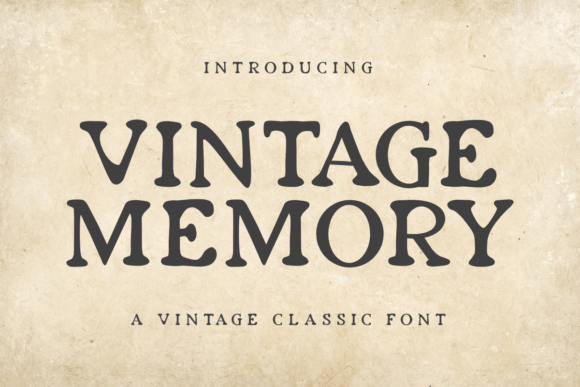
If you've ever flipped through the pages of a weathered book from the early 20th century or admired the intricate details of a vintage poster, you'll recognize the quiet elegance that comes from a well-worn design. That same spirit lives on in Vintage Memory, a serif font that blends the warmth of the past with the clarity of modern typography. It's not just a typeface—it's a design tool that brings a sense of history, craftsmanship, and character to any visual project.
What Makes Vintage Memory Unique
Vintage Memory draws its inspiration from classic letterpress printing and antique book covers. Its letterforms carry the subtle imperfections that once came from ink pressed into paper by hand. These irregular edges and slightly uneven strokes are what give the font its tactile, organic feel. Unlike many digital fonts that aim for perfect symmetry, Vintage Memory embraces small variations that mimic the handcrafted look of older typefaces.
Despite its nostalgic roots, the font is designed to be versatile. It works well across a range of modern applications—from branding to editorial design—without feeling out of place. Whether you're designing a book cover, a product label, or a vintage-inspired logo, Vintage Memory adds a layer of authenticity and warmth that’s hard to replicate with cleaner, more clinical fonts.
Creative Applications for Vintage Memory
This font shines in projects that benefit from a touch of nostalgia and personality. Here are a few creative directions you can explore:
- Brand Identity: Use Vintage Memory in logos or brand materials for businesses that want to convey tradition, craftsmanship, or heritage—think artisan bakeries, independent bookstores, or small-batch coffee roasters.
- Packaging Design: The font’s textured look pairs beautifully with kraft paper, aged textures, and minimalist layouts. It can give product packaging a handmade, boutique feel that stands out on crowded shelves.
- Editorial and Publishing: For book covers, magazine headers, or literary blogs, Vintage Memory offers a refined yet approachable typographic voice. It works especially well with historical fiction, memoirs, or nonfiction titles dealing with cultural or artistic subjects.
- Poster and Print Design: Whether you're creating event posters, art prints, or invitations, Vintage Memory lends a timeless aesthetic that feels both curated and accessible.
How Different Users Can Apply Vintage Memory
One of the strengths of Vintage Memory is its adaptability across different creative roles and industries. Here’s how various users might incorporate it into their work:
- Graphic Designers: Use it for retro-themed branding or to add a sense of depth and texture to layouts. Pair it with clean sans-serif fonts for contrast and readability.
- Marketers: Ideal for campaigns that evoke nostalgia or target audiences who value authenticity. It can help establish a warm, trustworthy tone in print or digital ads.
- Bloggers & Content Creators: Use it in blog headers or quote graphics to create visual interest and a vintage aesthetic that complements lifestyle, fashion, or DIY content.
- Entrepreneurs & Small Business Owners: Especially useful for product-based businesses looking to differentiate themselves with a unique, handcrafted brand identity.
- Educators & Publishers: Can be used in educational materials, historical reprints, or course branding to evoke a sense of tradition and academic depth.
Design Tips for Using Vintage Memory Effectively
While Vintage Memory is visually rich, it's important to use it thoughtfully to maintain clarity and impact. Here are some practical tips to help you make the most of this font:
- Pair with Simpler Fonts: Because of its textured appearance, Vintage Memory works best when paired with clean, modern sans-serif fonts like Helvetica, Futura, or Montserrat. This contrast helps maintain readability and visual balance.
- Use at the Right Size: The font’s subtle details can get lost at very small sizes. It’s most effective in headlines, subheadings, or short blocks of text rather than long-form body copy.
- Limit Color Choices: To enhance its vintage appeal, stick to muted or earthy tones like sepia, dark green, navy blue, or warm browns. Metallic finishes can also work well for a premium feel.
- Combine with Analog Textures: To amplify the vintage vibe, layer Vintage Memory over scanned paper textures, faded ink overlays, or distressed backgrounds. Just be sure not to overpower the text.
Inspiration for Your Next Project
If you're looking for real-world inspiration, consider how Vintage Memory could enhance the following projects:
- A Vintage Travel Journal: Use the font in the title and chapter headers of a self-published travel zine or photo book. Pair it with hand-drawn maps and sepia-toned photos for a cohesive look.
- A Heritage Brand Revival: If you're re-launching a family-owned business or a heritage brand, Vintage Memory can help bridge the gap between old and new in your logo and packaging design.
- A Literary Podcast or Blog: Create a strong visual identity for a podcast about classic literature or historical storytelling by using the font in your logo and promotional graphics.
- A Handmade Product Line: From candles to ceramics, Vintage Memory can give your product labels and packaging a distinctive, artisanal feel that appeals to conscious consumers.
Final Thoughts
Vintage Memory isn’t just a font—it’s a storytelling tool. Whether you're designing a brand, a book, or a poster, it invites your audience to slow down and appreciate the craftsmanship behind your work. By understanding its roots and using it with intention, you can bring a sense of timelessness and authenticity to your creative projects. So, the next time you're looking for a typeface that carries a story of its own, consider Vintage Memory—not just for its aesthetic, but for the character it adds to your designs.