Bilifer: Elevating Brand Identity with Modern Luxury Serif Typography
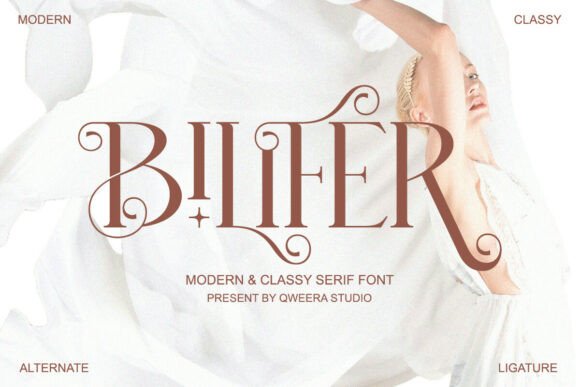
Selecting the right typeface is often the most critical decision in establishing a premium brand identity. For designers and entrepreneurs aiming to convey sophistication without appearing outdated, Bilifer has emerged as a compelling solution. This modern luxury serif font bridges the gap between classical elegance and contemporary aesthetics, offering tall proportions and refined curves that command attention. However, owning a high-end typeface is only half the battle; understanding how to wield its specific characteristics determines whether your project looks professionally curated or amateurish.
Bilifer is designed specifically for high-impact visual communication. Its sophisticated structure makes it ideal for editorial layouts, fashion campaigns, jewelry branding, and upscale packaging. Yet, because it carries such distinct personality traits, it requires a more thoughtful application than standard system fonts. Many creatives overlook the nuanced features included in the font file, resulting in missed opportunities to elevate their work. By addressing common pitfalls early, you can ensure this typeface serves as a true asset to your design arsenal.
Overlooking OpenType Features and Stylish Alternates
The most frequent mistake when working with Bilifer is treating it like a static set of letters rather than a dynamic design tool. This typeface includes stylish alternates and graceful ligatures that are essential to its luxurious charm. When designers simply type out a headline using default glyphs, the result can feel rigid or generic. The true value of Bilifer lies in its ability to customize letterforms to fit specific spatial and aesthetic needs.
Neglecting these features affects the perceived quality of the brand. A logo or magazine cover that uses default settings may lack the bespoke feeling that luxury consumers expect. To avoid this, always access the Glyphs panel in your design software. Experiment with alternate characters for capital letters or swashes for lowercase terminals. These subtle adjustments create a custom logotype effect without the cost of hiring a lettering artist. For example, swapping a standard 'A' or 'R' for an alternate version can instantly balance negative space in a tight layout, making the composition feel intentional and expensive.
Misjudging Hierarchy and Readability
Bilifer’s tall proportions and decorative details make it stunning for display purposes, but this same elegance can become a liability if misapplied. A common error is using this serif at small sizes for body copy or dense informational text. While the font supports multilingual characters and maintains clarity, its refined strokes are optimized for headlines, invitations, and short-form messaging. Using it for paragraphs of 10pt text will reduce legibility and frustrate readers.
To maintain a premium visual tone while ensuring usability, pair Bilifer with a clean, neutral sans-serif for supporting content. Let Bilifer handle the emotional heavy lifting in titles and pull quotes, while a functional typeface manages the details. This contrast not only improves readability but also amplifies the luxury of the serif by giving it room to breathe. Remember, white space is as important as the letterforms themselves; cramming this elegant typeface into tight corners diminishes its authority.
Ignoring Technical Compatibility and Licensing
Before integrating Bilifer into a commercial project, verifying technical and legal compatibility is non-negotiable. Designers sometimes assume that purchasing a font grants universal usage rights, leading to compliance issues later. Additionally, failing to test the font across different platforms can result in broken ligatures or missing alternates when files are transferred between teams or viewed on the web.
- Check Web Font Support: If using Bilifer for digital editorials or e-commerce, ensure you have the correct webfont license and that the hosting platform supports OpenType features. Not all browsers render stylistic sets identically.
- Verify Multilingual Needs: While Bilifer offers multilingual support, confirm it covers the specific diacritics required for your target market’s language before finalizing artwork.
- Test Ligature Rendering: Some older software versions do not automatically apply standard ligatures. Manually checking kerning pairs prevents awkward gaps in professional print materials.
Addressing these technical details upfront prevents costly reprints or website redesigns. It ensures that the sophisticated experience you designed on your screen translates perfectly to the end user, regardless of medium.
Failing to Align Typeface Personality with Brand Voice
Bilifer exudes a specific mood: timeless, authoritative, and gracefully modern. It is not a universal fix for every luxury project. A misunderstanding occurs when brands choose this typeface solely because it is trending, rather than evaluating if its personality matches their specific niche. For instance, a tech startup focusing on futuristic innovation might find Bilifer’s classic serif roots too traditional, whereas a heritage skincare line would benefit immensely from its blend of history and modernity.
Evaluate your brand attributes honestly before committing. Does your audience value tradition and craftsmanship, or disruption and speed? Bilifer resonates deeply with consumers seeking stability and refinement. If your project demands a raw, brutalist, or hyper-minimalist aesthetic, this typeface might introduce unwanted ornamentation. Making this assessment early saves time and ensures your typography reinforces, rather than conflicts with, your strategic positioning.
Maximizing Creative Freedom Through Intentional Application
When used correctly, Bilifer provides unlimited creative freedom. The key is intentionality. Rather than applying effects randomly, consider how each typographic choice supports the communication goal. In jewelry branding, for example, utilizing the font’s delicate ligatures can mimic the intricacy of metalwork, creating a subconscious connection between the typography and the product. In lifestyle packaging, the tall x-height conveys confidence on crowded shelves without needing excessive boldness.
Professionals should also consider the longevity of their choice. Trends fade, but Bilifer’s foundation in classic serif traditions suggests it will age well. Unlike novelty display fonts that look dated within a year, this typeface offers a sustainable visual identity. Investing time in mastering its OpenType capabilities now pays dividends for years, allowing you to refresh campaigns while maintaining a consistent, recognizable brand voice.
Ultimately, Bilifer is more than just a collection of vector shapes; it is a strategic instrument for conveying value. By avoiding common application errors, respecting its technical requirements, and aligning its aesthetic with genuine brand goals, you transform a simple font selection into a cornerstone of successful luxury branding. Whether you are designing a wedding invitation suite or a global fashion campaign, approaching this typeface with respect and technical awareness ensures your work stands out for its sophistication and enduring appeal.