Sweetie Donut: Turning Typography into Edible Illustrations
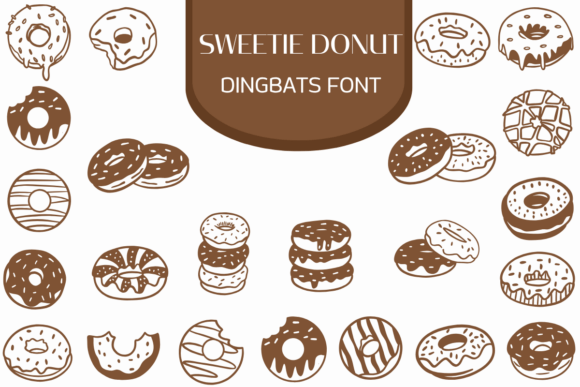
Sweetie Donut is a delectable dingbat font featuring hand-drawn illustrations of donuts in all shapes and styles—from frosted and sprinkled to bitten and stacked. Unlike traditional typefaces where keystrokes produce letters or numbers, this specialized font maps unique pastry artwork to your keyboard. It serves as a sugary treat for anyone creating bakery logos, café menus, party invitations, or social media content without needing advanced illustration skills. The primary appeal lies in its simplicity: just type a letter and pop out a perfectly styled donut illustration instantly, eliminating the need for complex graphic software or vector editing tools.
Streamlining Visual Content for Bakeries and Cafés
For small business owners in the food industry, particularly independent bakeries and coffee shops, maintaining fresh visual content is a constant challenge. Hiring a professional illustrator for every seasonal menu update or daily special is often cost-prohibitive, while stock photo subscriptions can feel generic and impersonal. Sweetie Donut bridges this gap by functioning as an on-demand asset library embedded directly into standard word processing and design software.
Consider the practical workflow of updating a chalkboard menu or a digital display screen. Instead of searching for "glazed donut clipart" and worrying about licensing restrictions or transparent backgrounds, a café manager can simply open their text editor, select the Sweetie Donut font, and type specific characters to generate consistent, high-quality icons. This ensures that every pastry representation across signage, printed menus, and window decals shares a cohesive hand-drawn aesthetic. The ability to scale these vector-based glyphs means they remain crisp whether printed on a business card or blown up for a storefront banner, solving resolution issues common with rasterized internet images.
Elevating Food Blogging and Recipe Documentation
Food bloggers and content creators face a distinct set of visual hurdles. While photography captures the final product, illustrating ingredients, flavor profiles, or decorative elements often requires external assets that clash with the site’s branding. Integrating Sweetie Donut allows writers to add contextual visual cues directly within their text flow. A recipe post for assorted pastries can feature inline icons next to ingredient lists or step-by-step instructions, breaking up dense text blocks and improving readability.
This approach also benefits Pinterest optimization and social media thumbnails. Creators can rapidly prototype pin designs by layering different donut variations over solid color backgrounds in Canva or Photoshop. Because the illustrations are font-based, changing the color of a sprinkle pattern or adjusting the opacity of a glaze is as simple as changing text color. This flexibility encourages experimentation with seasonal palettes—shifting from pastel pinks for spring to warm ambers for autumn—without requiring multiple file downloads or custom illustration commissions.
Crafting, Packaging, and Physical Product Design
The utility of this dingbat font extends beyond digital screens into tangible crafting and packaging applications. Makers selling at farmers' markets or operating Etsy shops often handle their own branding. Sweetie Donut provides a scalable solution for stamp carving, vinyl cutting, and sticker design. Since the output is typographic, it integrates seamlessly with cutting machine software like Cricut Design Space or Silhouette Studio, allowing users to convert characters into cut lines for custom packaging stickers or cake toppers.
For event planners organizing themed parties or weddings, the font offers a quick way to customize stationery. Place cards, favor tags, and buffet labels can be personalized with specific pastry types that match the actual dessert table spread. Rather than settling for generic "dessert" icons, hosts can specify maple bars, jelly-filled rounds, or crullers, adding a layer of thoughtful detail that guests appreciate. This level of specificity transforms standard typography into a functional communication tool that guides attendees through culinary experiences.
Navigating Licensing and Technical Considerations
While the ease of use is a major strength, prospective users must navigate practical considerations before incorporating Sweetie Donut into commercial projects. Font licensing varies significantly between personal and commercial use. A designer creating a logo for a national franchise needs to verify that their license covers trademark usage, whereas a hobbyist making birthday invitations may only require a standard desktop license. Always review the End User License Agreement (EULA) to avoid legal complications down the line.
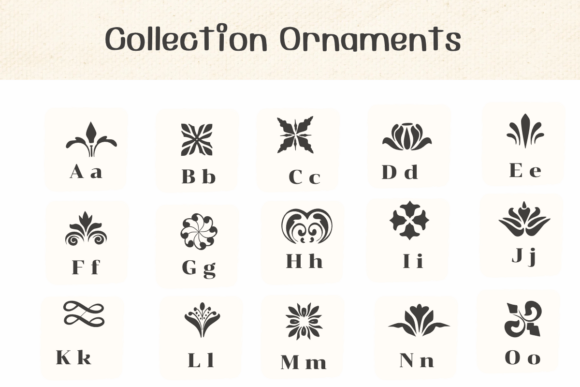
Technical compatibility also warrants attention. As a dingbat font, Sweetie Donut does not follow standard Unicode mapping for letters. Typing "A" might produce a glazed ring, while "B" produces a fritter. Users should create or download a reference chart to map keystrokes to specific illustrations efficiently. Additionally, because these are illustrative glyphs rather than linguistic characters, accessibility tools like screen readers will not interpret them correctly. In web design or accessible PDFs, always pair these visual elements with proper alt text or aria-labels to ensure inclusivity. Relying solely on the font for critical information can exclude visually impaired audiences.
Balancing Playfulness with Professional Readability
Aesthetic balance is crucial when deploying illustrative fonts. Sweetie Donut excels as an accent element but can overwhelm if overused. In professional design contexts, treat these illustrations as punctuation or bullet points rather than body copy. A menu listing ten items might benefit from small donut icons acting as bullets, but using the font for the item names themselves would render the text illegible. Pairing this playful typeface with clean, neutral sans-serif or serif fonts creates necessary contrast, allowing the illustrations to shine without compromising hierarchy and legibility.
Users should also consider the cultural and demographic alignment of the artwork. The hand-drawn, whimsical nature of Sweetie Donut communicates warmth, nostalgia, and informality. This makes it ideal for family-friendly establishments, artisanal brands, and community events. However, it may be less suitable for luxury patisseries aiming for minimalist sophistication or corporate environments requiring strict formality. Understanding the emotional resonance of the illustration style helps designers make informed choices about when to deploy this resource versus when to opt for more restrained visual language.
Expanding Creative Workflows Beyond Traditional Design
Educators and parents have found unexpected value in illustrative fonts for learning materials. Creating custom worksheets, reward charts, or storytelling prompts becomes significantly faster when relevant imagery is keyboard-accessible. A teacher designing a math worksheet involving counting or fractions can insert precise visual representations of donuts to create engaging, contextually appropriate problems without spending hours sourcing and formatting individual images. This democratization of illustration empowers non-designers to produce professional-looking educational resources that capture student attention.
Ultimately, Sweetie Donut represents a shift toward integrated creative tools where the boundary between writing and drawing dissolves. By treating illustration as typography, it removes friction from the creative process, allowing ideas to flow as quickly as one can type. Whether enhancing a bakery's brand identity, streamlining a blogger's workflow, or adding charm to handmade crafts, this font proves that practical utility and playful aesthetics can coexist beautifully. Success comes from understanding both its capabilities and its constraints, leveraging its strengths to add genuine sweetness to visual communication without sacrificing clarity or professionalism.