Collection Ornaments: Elevating Design with Vintage Flourishes
In the world of graphic design and visual communication, the difference between a competent layout and a truly captivating one often lies in the details. While typography and imagery carry the primary message, it is the decorative elements that establish mood, guide the eye, and reinforce brand identity. Collection Ornaments serves as a comprehensive toolkit for designers seeking to bridge the gap between modern functionality and classical elegance. This dingbat font is not merely a collection of random symbols; it is a curated library of ornamental glyphs designed to add sophistication and structural beauty to a wide array of creative projects.
For professionals ranging from freelance graphic designers to marketing directors and small business owners, having a reliable set of vector-based ornaments is essential. Unlike rasterized clip art that loses quality when scaled, Collection Ornaments functions as a typeface. This means every swirl, floral motif, and classical accent is fully scalable, editable, and accessible through standard keyboard mapping or glyph panels in software like Adobe Illustrator, InDesign, or Affinity Designer. This technical flexibility transforms what could be a tedious search for individual assets into a seamless part of the typographic workflow.
Defining Characteristics and Aesthetic Value
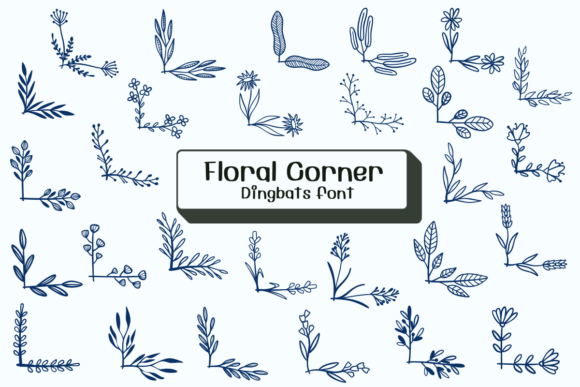
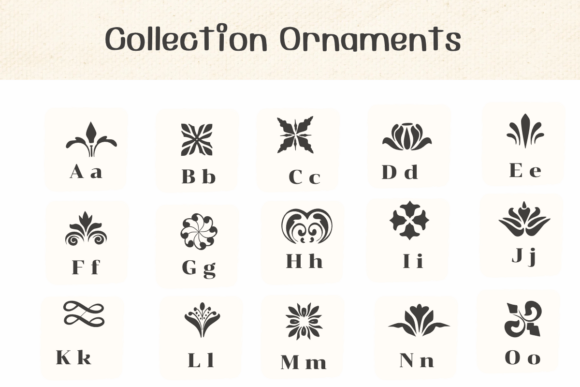
The primary strength of Collection Ornaments lies in its versatility within the vintage and classical spectrum. The font avoids the overly distressed or grunge aesthetics that can sometimes limit the usability of retro assets. Instead, it focuses on clean, refined lines that evoke a sense of timeless luxury. The glyphs include intricate filigree, balanced dividers, corner pieces, and standalone floral accents. These elements are drawn with a consistency in stroke weight and style, ensuring that mixing different ornaments from the set does not result in visual discord.
This cohesion is particularly valuable for branding projects where visual consistency is paramount. When creating a suite of materials for a client—such as business cards, letterheads, and packaging—the ability to pull matching decorative elements from a single source ensures a unified look. The ornaments possess enough character to stand alone as focal points but remain subtle enough to serve as background textures or border elements without competing with body copy or photography.
Practical Applications Across Industries
The utility of Collection Ornaments extends far beyond simple decoration. Different sectors leverage these typographic flourishes to solve specific communication challenges and enhance user experience.
- Wedding and Event Stationery: This is perhaps the most natural home for ornamental dingbats. Invitation suites require a delicate balance of readability and romance. Collection Ornaments provides the necessary flourishes to frame text blocks, create elegant section breaks between ceremony and reception details, and add tactile visual interest to envelope liners and place cards. The classical motifs signal formality and tradition, setting the appropriate tone for the event before a single word is read.
- Product Packaging and Labeling: For artisans, brewers, cosmeticians, and food producers, packaging is a primary touchpoint. Ornamental borders and corners can transform a simple rectangular label into something that feels bespoke and premium. Using these glyphs allows designers to create custom frames that highlight product names or certification logos without the expense of custom illustration. The vintage sophistication inherent in the font aligns perfectly with heritage brands, organic products, and luxury goods.
- Editorial and Publishing Design: Book designers and magazine layout artists utilize ornaments to manage pacing and navigation. Chapter openers, drop caps, and end-of-section markers benefit greatly from the variety found in this set. Rather than relying on generic stock vectors, publishers can use Collection Ornaments to give a publication a distinct visual voice. The dingbats help break up dense text, providing visual resting points that improve readability and keep the reader engaged.
- Digital Branding and Web Design: While primarily associated with print, these ornaments translate beautifully to digital environments when exported as SVGs. They can serve as unique bullet points, footer decorations, or hero image overlays. For bloggers and content creators, using consistent ornamental dividers between post sections creates a polished, magazine-quality aesthetic that distinguishes their site from template-heavy competitors.
Efficiency and Workflow Integration
One of the most overlooked benefits of using a dingbat font like Collection Ornaments is productivity. In a professional environment, time spent searching for, licensing, and cleaning up individual vector assets is time lost. By integrating ornaments directly into the typesetting process, designers maintain their creative flow. There is no need to switch between applications or manage disparate file formats. You simply select the font, type the corresponding character, and adjust the size, color, and spacing just as you would with regular text.
This integration also simplifies revisions. If a client requests a color change across all decorative elements in a 50-page document, changing the font color of the ornament layer takes seconds. If those elements were placed images, the task could take hours. Furthermore, because the glyphs are vector-based, they remain crisp at any resolution, making them future-proof for high-DPI screens and large-format printing alike.
Strategic Considerations for Implementation
While Collection Ornaments is a powerful asset, effective use requires restraint and intentionality. Overusing decorative elements can clutter a design and hinder legibility. It is helpful to view these ornaments as architectural features rather than mere embellishments; they should support the structure of the layout, not obscure it.
When selecting specific glyphs, consider the negative space. Some ornaments are dense and heavy, suitable for anchoring corners or terminating lines, while others are airy and open, better suited for watermarks or subtle background patterns. Pairing the ornaments with complementary typefaces is also crucial. The vintage sophistication of Collection Ornaments pairs exceptionally well with traditional serifs, transitional typefaces, and elegant scripts. However, it can also create an interesting tension when used sparingly alongside clean geometric sans-serifs, provided the contrast is handled with care.
Licensing is another practical consideration for professionals. Always verify the specific license terms for commercial versus personal use, especially for client work or products intended for resale. Understanding these parameters upfront prevents legal complications and ensures ethical usage. Additionally, familiarize yourself with the glyph map of the font. Many designers only access the default keyboard characters, missing the alternate versions and hidden gems accessible via OpenType features or the glyphs panel. Exploring the full extent of the font often reveals unique variations that can make a project truly distinctive.
Enhancing Communication Through Visual Language
Ultimately, the value of Collection Ornaments lies in its ability to communicate non-verbally. Design is a language, and ornaments are the punctuation marks that give sentences rhythm and emphasis. A simple flourish can suggest celebration, a structured border can imply security and order, and a delicate floral motif can convey warmth and hospitality. For marketers and educators, these subtle cues reinforce the written message, creating a multi-sensory experience that resonates more deeply with the audience.
Whether you are designing a certificate of achievement, a luxury skincare box, or a historical newsletter, the right decorative elements elevate the perceived value of the work. Collection Ornaments provides a dependable, high-quality foundation for this elevation. By treating these dingbats as integral components of the typographic system rather than afterthoughts, creators can achieve a level of polish and professionalism that sets their work apart in a crowded visual landscape. The result is design that feels considered, crafted, and enduring.