Rustero Typeface: Capturing Authentic Western Charm for Modern Food Branding
In the vast landscape of graphic design and typography, few styles evoke as immediate and visceral a reaction as the western aesthetic. When consumers see bold, rugged lettering, they do not just read words; they taste smoky barbecue, hear the sizzle of a steakhouse grill, and feel the warmth of handcrafted authenticity. At the forefront of this specific design niche is Rustero, a bold western-style typeface that has become an essential tool for designers aiming to capture the rugged charm of vintage diners and cowboy-inspired food brands. Understanding Rustero is not merely about analyzing font metrics; it is about understanding how typography serves as a bridge between historical nostalgia and contemporary commercial identity.
The Anatomy of Rugged Authenticity
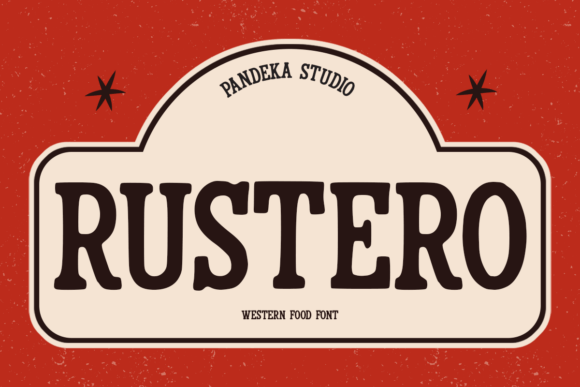
To truly appreciate why Rustero works so effectively, one must first understand what distinguishes it from generic serif or sans-serif fonts. Rustero is defined by its sturdy letterforms and a deliberate rustic aesthetic. Unlike polished, corporate typefaces that strive for geometric perfection, Rustero embraces imperfection as a feature rather than a flaw. Its design language is rooted in classic Americana and old-west poster lettering, combining warmth and grit in one cohesive look.
This balance is critical in modern branding. A font that is too gritty can appear illegible or unprofessional, while a font that is too clean fails to convey the "handmade" quality that artisanal food brands require. Rustero occupies this sweet spot perfectly. It delivers a delicious mix of nostalgia and bold personality without sacrificing readability. For general readers and business owners alike, recognizing this distinction helps clarify why certain restaurant logos feel authentic while others feel like costumes. Rustero provides the visual texture necessary to make a brand feel established and trustworthy, even if the business opened only last month.
Practical Applications in Culinary Branding
The primary significance of Rustero lies in its versatility within the food and beverage industry. While it is undeniably a western font, its application extends far beyond cowboy-themed establishments. The typeface’s inherent warmth makes it suitable for a wide array of culinary contexts where comfort and tradition are key selling points.
- Steakhouses and BBQ Joints: This is the most natural habitat for Rustero. The heavy weight of the letters mirrors the hearty nature of the cuisine, reinforcing menu items like ribs, brisket, and prime cuts.
- Vintage Diners and Cafes: For businesses leaning into mid-century Americana or retro aesthetics, Rustero provides the necessary period-accurate flair for signage and window decals.
- Artisanal Pasta Bars: Surprisingly, the handcrafted feel of Rustero translates well to Italian-American cuisine, suggesting family recipes and traditional preparation methods rather than industrial mass production.
- Street Food and Food Trucks: In high-traffic environments, legibility is paramount. Rustero’s bold structure ensures that brand names are readable from a distance, while the unique style helps vendors stand out in crowded markets.
- Packaging Design: Beyond signage, the font excels on product labels, hot sauce bottles, and takeout containers, adding tactile value to physical goods.
Technical Versatility and Multilingual Support
A common misunderstanding among non-designers is that display fonts—typefaces intended for headlines and logos—are often limited in functionality. There is a prevailing assumption that a stylized western font might only include uppercase letters or lack essential punctuation. Rustero defies this limitation, making it a practical choice for comprehensive branding projects rather than just singular logo marks.
Rustero comes in one regular style, but this single weight is robust enough to carry a brand's entire visual identity. Crucially, it supports both uppercase and lowercase characters. This is significant because all-caps western fonts can sometimes feel aggressive or shouting. The inclusion of lowercase allows designers to create softer, more approachable subheadings and body copy pairings that maintain the thematic consistency without overwhelming the viewer. Furthermore, the font includes full support for numbers, punctuation, and multilingual characters. This technical breadth ensures that businesses operating in diverse communities or international markets do not have to sacrifice their aesthetic identity when translating menus or creating inclusive marketing materials.
Integrating Rustero into Modern Design Workflows
In the context of modern technology and digital design, Rustero represents a fusion of analog soul and digital utility. Today’s designers work across multiple platforms, from large-format print signage to mobile-responsive websites. A typeface must perform adequately in both realms. Rustero’s vector-based construction ensures that the rugged edges remain crisp whether printed on a massive billboard or displayed on a smartphone screen.
For those new to typography, it is important to understand how to pair Rustero effectively. Because it possesses such strong personality, it should generally be treated as a "display" font. This means using it for headlines, logos, and short bursts of text. Pairing it with a simple, neutral sans-serif or a clean slab serif for long-form body text prevents visual fatigue. This hierarchical approach respects the reader’s experience, guiding them through content with clarity while using Rustero to establish emotional tone at key touchpoints.
The Psychology of Nostalgia in Business
Why does a font like Rustero matter to a business owner or a marketer? The answer lies in consumer psychology. In an era dominated by minimalism and sleek tech aesthetics, there is a growing counter-movement toward heritage and craftsmanship. Consumers associate rugged, vintage typography with quality, longevity, and human effort. When a brand utilizes Rustero, it is signaling that its products are made with care, distinct from automated, sterile alternatives.
This psychological association is particularly potent in the food industry. Taste is subjective, but visual cues prime the palate before the first bite. The "warmth and grit" mentioned in Rustero’s description are not just artistic adjectives; they are flavor descriptors translated into visual form. A burger advertised in a delicate script font feels different than one advertised in Rustero. The latter promises substance. Understanding this semiotic relationship helps businesses make informed decisions about their visual identity, ensuring that their typography aligns with their actual product offering.
Common Misconceptions About Western Typography
As with any stylistic choice, there are pitfalls to avoid. One common misconception is that western fonts are inherently kitschy or outdated. While poorly executed designs can certainly fall into caricature, Rustero avoids this by maintaining structural integrity and modern proportions. It draws inspiration from history without being trapped by it. Another assumption is that such fonts are only appropriate for rural or country-themed businesses. However, urban gastropubs and trendy fusion restaurants frequently utilize western typography to create an ironic or eclectic contrast that appeals to younger demographics. The key is intentionality; Rustero works when it is chosen to support a specific narrative of authenticity, not merely as a decorative afterthought.
Building a Cohesive Brand Identity
Ultimately, Rustero is more than a collection of glyphs; it is a foundational element of brand storytelling. For designers, educators, and entrepreneurs, mastering the use of such typefaces is a lesson in communication. It teaches us that every curve, weight, and texture carries meaning. Whether you are designing a menu for a new smokehouse, rebranding a family-owned diner, or teaching typography basics to students, Rustero serves as an excellent case study in functional nostalgia.
By combining historical reference with modern usability—including multilingual support and complete character sets—it bridges the gap between past and present. It reminds us that in a digital world, there is still immense value in the aesthetic of the handmade. For anyone looking to inject bold personality and genuine warmth into their visual projects, Rustero offers a reliable, versatile, and deeply evocative solution. It stands as a testament to the enduring power of western design, proving that even in the 21st century, we still respond to the call of the open road and the promise of a home-cooked meal.