Rough Cowboy: A Bold Distressed Font for Authentic Western Design
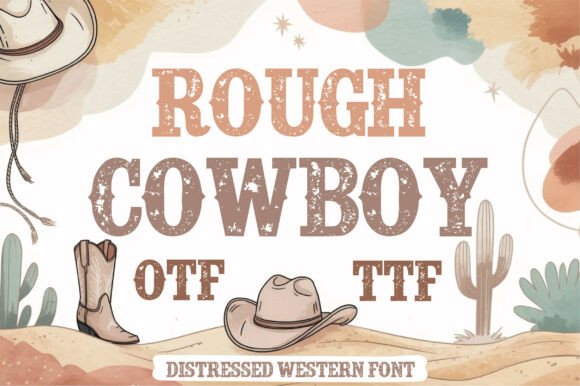
If you're crafting a design that needs to evoke the rugged spirit of the American West, Rough Cowboy might be the perfect typeface for the job. This western display font carries a worn, vintage texture that brings authenticity and character to any project it touches. With strong slab serifs and a distressed finish, Rough Cowboy stands out as a go-to choice for rustic branding, t-shirt designs, posters, and more.
What Makes Rough Cowboy Unique?
At first glance, Rough Cowboy captures attention with its bold slab serifs and weathered edges. These characteristics give it a sense of history and wear that mimics old signage, leather-bound books, and frontier-era typography. Unlike clean, modern fonts, Rough Cowboy embraces imperfection — and that’s precisely what makes it so effective for specific design needs.
The font’s texture and weight make it ideal for use as a headline or title font. It works best when you want to command attention and convey a sense of toughness or nostalgia. Whether you're designing a logo for a country music band or a label for a craft whiskey brand, this font adds visual storytelling to your work.
Design Applications for Rough Cowboy
One of the biggest strengths of Rough Cowboy is its versatility across design formats. Let’s explore some of the most popular and effective applications:
- Western Logos: Businesses aiming to evoke a rugged, cowboy-inspired identity can use Rough Cowboy to create memorable logos. It works especially well for rodeo events, western apparel brands, and outdoor adventure companies.
- T-Shirt and Apparel Design: The font’s boldness ensures it stands out on fabric. Whether it’s a vintage-style tee or a rugged denim patch, Rough Cowboy brings a sense of authenticity that resonates with fans of western culture.
- Posters and Event Flyers: From concert posters to local rodeo promotions, this font adds a visual punch that draws the eye and communicates the event’s vibe.
- Rustic Branding: For brands that want to lean into a rustic aesthetic — such as coffee roasters, candle makers, or boutique distilleries — Rough Cowboy can become a signature element of their visual identity.
- Sublimation and Print-on-Demand: Because of its strong outlines and readable structure, this font holds up well in sublimation printing and other print-on-demand formats, making it a favorite among Etsy sellers and independent designers.
How Rough Cowboy Fits Into Modern Design Workflows
Despite its vintage appearance, Rough Cowboy is designed to work seamlessly within modern design software and workflows. Whether you're using Adobe Illustrator, Photoshop, Canva, or a vector-based tool like Inkscape, this font integrates easily and scales well across different mediums.
Designers often pair Rough Cowboy with simpler, cleaner fonts to create contrast and balance. For example, using it for headlines and a sans-serif font like Helvetica or Montserrat for body text can help maintain readability while still delivering a strong visual impact.
Additionally, because of its textured appearance, Rough Cowboy often comes in multiple styles — including regular, outline, and shadowed versions — allowing for creative layering and effects without needing complex design tools.
Practical Benefits of Using Rough Cowboy
There are several practical reasons why designers and business owners choose Rough Cowboy over other western-style fonts:
- High Readability: Even with its distressed edges, the font maintains clarity at a distance, making it ideal for signage and posters.
- Strong Visual Identity: Its unique texture and boldness make it instantly recognizable, helping brands stand out in a crowded market.
- Scalability: Whether you're printing on a small patch or blowing up a design for a billboard, Rough Cowboy maintains its integrity and impact.
- Timeless Appeal: Western themes have a lasting cultural presence, and Rough Cowboy taps into that enduring aesthetic in a way that feels fresh and relevant.
Choosing the Right Context for Rough Cowboy
While Rough Cowboy is a powerful design tool, it’s not suited for every application. Because of its bold and textured nature, it’s best used sparingly and in contexts where a rugged, vintage aesthetic is desired.
For example, using it in long-form body text or digital interfaces where clarity and minimalism are key would not be advisable. However, when used for headlines, logos, or design accents, it becomes a powerful visual anchor.
Designers should also consider color contrast and background texture when using Rough Cowboy. Light-colored text on a dark or textured background can enhance its worn look, while pairing it with natural materials like leather, burlap, or wood can amplify its rustic charm.
Examples of Rough Cowboy in Action
Let’s look at a few real-world scenarios where Rough Cowboy shines:
- Whiskey Bottle Labels: Craft distilleries often use Rough Cowboy to evoke a sense of tradition and authenticity. The font’s rugged texture complements aged wood barrels and vintage-style packaging.
- Country Music Festival Posters: Festivals that want to highlight their roots in American folk and country music often use this font in their promotional materials to connect with their audience emotionally.
- Vintage-Style T-Shirts: Independent clothing brands use Rough Cowboy to create standout designs that appeal to fans of western culture, biker communities, and retro fashion.
- Bar and Grill Signage: Restaurants with a rustic or cowboy theme often incorporate this font into their branding and interior design to create a cohesive, immersive experience.
Final Thoughts on Rough Cowboy
In the world of typography, Rough Cowboy occupies a niche that blends style, storytelling, and functionality. Its ability to convey ruggedness and nostalgia in a single glance makes it a valuable asset for designers and brand creators alike.
If you're looking to add a touch of western authenticity to your next design project, consider incorporating Rough Cowboy. Whether you're creating a logo, a t-shirt, or a rustic brand identity, this font brings a unique flavor that few others can match.