Pacifico Script: Capturing Retro Charm in Modern Design
In the vast landscape of digital typography, few typefaces manage to evoke a specific time, place, and feeling as instantly as Pacifico Script. For designers, business owners, and content creators looking to inject warmth and personality into their projects, this iconic brush script offers a unique solution. Inspired by 1950s American surf culture, Pacifico is more than just a collection of letterforms; it is a visual shorthand for relaxation, nostalgia, and effortless cool. Understanding how to leverage this typeface effectively can transform a generic layout into a memorable brand experience that resonates deeply with audiences seeking authenticity.
The Origins and Emotional Resonance of Pacifico
To truly utilize Pacifico Script, one must first understand its roots. Designed by Vernon Adams, this typeface was created as an homage to the golden age of California surf culture. Unlike formal calligraphy or rigid geometric sans-serifs, Pacifico is characterized by round, exaggerated strokes and a relaxed, hand-painted vibe. It communicates a sense of carefree nostalgia that feels inherently human. When a viewer encounters this font, they are not just reading text; they are subconsciously accessing associations with sun-drenched beaches, vintage convertibles, and a slower pace of life.
This emotional connection is the primary value proposition of the typeface. In an era of minimalist corporate branding and sterile user interfaces, Pacifico stands out because it feels approachable. It signals to the consumer that the brand behind the text is personable, laid-back, and welcoming. However, this distinct personality is also what requires careful handling. Because the font carries so much historical and cultural weight, it demands a thoughtful application strategy to avoid looking like a caricature.
Defining Characteristics and Visual Features
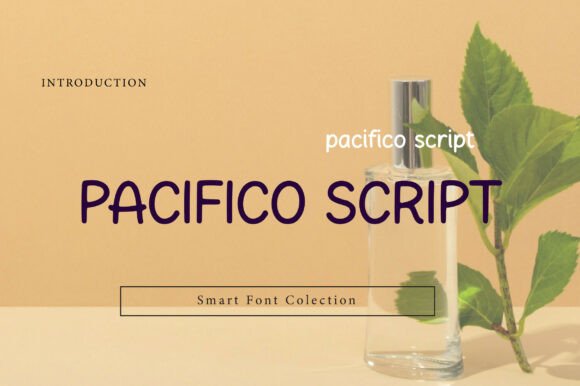
Pacifico Script is classified as a creative brush script, but it possesses specific anatomical traits that distinguish it from other handwritten fonts. Recognizing these features helps in determining whether it is the right tool for your specific design challenge:
- Exaggerated Curves: The letters feature bold, swelling strokes that mimic the motion of a paintbrush loaded with ink. This creates a rhythmic flow that guides the eye horizontally across the page.
- Casual Upright Stance: Unlike many scripts that slant dramatically to the right, Pacifico maintains a relatively upright posture. This contributes to its readability and gives it a sturdy, confident presence despite its playful nature.
- Organic Imperfections: The terminals and connections between letters retain a hand-crafted quality. These subtle irregularities prevent the text from looking digitally manufactured, reinforcing the "effortless" aesthetic.
- Bold Weight: Pacifico is inherently heavy. It was designed for display purposes, meaning it commands attention and holds its own against busy backgrounds or vibrant photography.
Strategic Applications: Where Pacifico Shines
While versatile, Pacifico Script is not a universal utility player. It excels in specific environments where tone and atmosphere take precedence over high-density information delivery. Identifying these scenarios is crucial for maximizing the font's impact without compromising usability.
Hospitality and Culinary Branding
Perhaps the most common and successful home for Pacifico is within the food and beverage industry. Its retro-cool aesthetic aligns perfectly with establishments that want to emphasize artisanal quality or a fun, casual dining atmosphere. Food trucks, beachside cafes, ice cream shops, and craft breweries frequently utilize Pacifico for signage and menus. In these contexts, the font acts as an appetizer, setting expectations for a sensory experience that is unpretentious and enjoyable. The bold strokes remain legible from a distance on storefronts, while the textured feel suggests handmade care in the product itself.
Travel and Lifestyle Marketing
For travel agencies, boutique hotels, and outdoor apparel brands, Pacifico serves as a powerful atmospheric device. It bridges the gap between modern adventure and vintage exploration. When used in social media graphics, blog headers, or promotional merchandise, it evokes the romance of the open road or the seaside. This makes it particularly effective for campaigns targeting millennials and Gen Z consumers who often romanticize mid-century aesthetics. The key here is authenticity; the font should support genuine storytelling rather than serving as a superficial costume.
Digital Headers and Hero Sections
In web design, Pacifico is best reserved for H1 tags, hero banners, and short call-to-action buttons. Its large x-height and bold weight make it perform exceptionally well on screens, even at smaller display sizes compared to finer scripts. However, it should never be used for body copy. The intricate details that give Pacifico its charm become visual noise when scaled down or stretched across long paragraphs. Treat it as a headline actor that delivers the opening line with flair, then steps back to let the supporting cast handle the exposition.
The Art of Pairing: Creating Visual Harmony
Because Pacifico Script has such a dominant personality, it requires a counterbalance to function effectively in a cohesive design system. Using it alongside other decorative fonts often leads to visual chaos and reduced legibility. The secret to professional execution lies in contrast.
Simplicity is the ultimate sophistication when pairing with Pacifico. A clean, modern sans-serif typeface provides the necessary structural foundation. Fonts like Roboto, Helvetica, Open Sans, or Lato offer neutral, geometric forms that allow Pacifico’s exuberant curves to pop without competing for attention. This juxtaposition creates a dynamic tension: the script provides the emotion and style, while the sans-serif ensures clarity and information hierarchy.
Consider the following pairing guidelines:
- Maintain Weight Contrast: Since Pacifico is bold, pair it with light or regular weights of your secondary font. Avoid using heavy black weights in the supporting typeface, as this can make the overall composition feel top-heavy and cluttered.
- Respect Spacing: Pacifico has tight internal spacing inherent to its brush style. Your supporting sans-serif should have generous tracking and leading to provide breathing room. This negative space frames the script and enhances its impact.
- Color Hierarchy: Use color to further differentiate roles. Pacifico often looks stunning in vibrant, sun-drenched hues like coral, teal, or mustard yellow, while body text should remain in high-contrast neutrals like charcoal or navy to ensure accessibility.
Navigating Limitations and Practical Considerations
Despite its popularity, Pacifico Script presents challenges that designers must navigate thoughtfully. Being aware of these limitations prevents common pitfalls that can undermine a project’s professionalism.
Readability and Accessibility
The primary concern with any script font is accessibility. Pacifico’s connected letterforms and decorative swashes can be difficult for users with dyslexia or visual impairments to parse quickly. Therefore, it is imperative to use Pacifico sparingly. Never use it for navigation menus, legal disclaimers, pricing tables, or instructional text. Always provide alt text for images containing Pacifico typography, and ensure that if the font fails to load, the fallback system font maintains the intended meaning and hierarchy.
Avoiding Overuse and Cliché
Because Pacifico is widely available and free through Google Fonts, it runs the risk of over-saturation. To keep your design fresh, avoid using it in predictable ways. If you are designing for a surf shop, consider whether Pacifico is the obvious choice or if a different interpretation of the theme might stand out more. Additionally, resist the urge to modify the font manually by stretching, skewing, or adding excessive effects. The beauty of Pacifico lies in its original proportions; distorting them breaks the carefully crafted balance of the brush strokes.
Contextual Appropriateness
Evaluate the tone of your project critically. Pacifico implies informality and leisure. It is generally unsuitable for financial institutions, medical facilities, luxury fashion houses, or tech companies focused on precision and security. In these sectors, the font’s relaxed vibe could be misinterpreted as unprofessionalism or lack of seriousness. Always ask: Does this typeface accurately reflect the trust and competence my audience expects?
Evaluating Suitability for Your Project
Before committing to Pacifico Script, conduct a brief suitability audit. This ensures the typeface serves your strategic goals rather than just your aesthetic preferences.
- Tone Check: Does your brand voice include words like "fun," "retro," "handmade," or "relaxed"? If your keywords are "precise," "corporate," or "luxury," look elsewhere.
- Usage Scope: Can you limit the font to fewer than five words per instance? If you need to write full sentences in this style, Pacifico is likely the wrong choice.
- Environment Analysis: Will the text be viewed primarily on mobile devices or in low-light conditions? Test the font at actual size in these environments before finalizing the design.
- Pairing Availability: Do you have access to a high-quality, neutral sans-serif that complements Pacifico? The success of the script depends entirely on its partner.
Pacifico Script remains a beloved staple in the designer’s toolkit because it successfully translates a specific cultural moment into a timeless typographic form. When used with restraint and paired with intention, it brings instant personality and warmth to digital and print media. By respecting its origins, understanding its technical constraints, and prioritizing the user’s reading experience, creators can harness the retro-cool power of Pacifico to build brands that feel genuinely welcoming and effortlessly memorable. Whether for a bustling food truck or a nostalgic travel blog, this typeface continues to prove that sometimes, the most effective way to communicate in the digital age is to borrow a little sunshine from the past.