Esnathery: Understanding the Power of Raw Brush Script in Modern Design
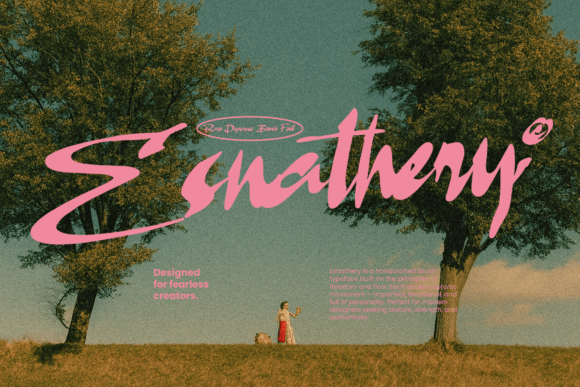
In the vast landscape of digital typography, finding a font that genuinely feels human can be a challenge. We are often surrounded by clean, geometric sans-serifs and perfectly balanced serifs that, while functional, sometimes lack emotional resonance. This is where Esnathery enters the conversation. Esnathery is a raw and dynamic brush script font that captures motion, emotion, and authenticity in every stroke. For designers, marketers, and storytellers, understanding this typeface is not just about aesthetics; it is about learning how to communicate feeling through visual language.
Designed for bold creators, this typeface brings expressive texture and handcrafted flow into any visual composition. But what exactly makes a brush script "raw," and why does that matter in today’s polished digital environment? This guide explores the significance of Esnathery, its practical applications, and how it fits into the broader context of modern branding and creative expression.
The Philosophy Behind Raw Brush Typography
To understand Esnathery, one must first understand the shift away from perfection in contemporary design. For decades, the gold standard in typography was precision. Kerning was mathematically perfect, and curves were smoothed to an absolute fault. However, as digital media became ubiquitous, audiences began to crave authenticity. They wanted to see the hand behind the screen.
Esnathery embraces imperfection and turns it into strength. Unlike standard script fonts that mimic handwriting through repetitive, identical glyphs, a raw brush script retains the variability of analog creation. The ink splatters, the varying pressure of the brush, and the slight irregularities in the baseline are not errors; they are features. These elements signal to the viewer that a human being was involved in the creation process. In an era dominated by AI-generated content and automated layouts, this human touch is a premium asset.
Motion and Emotion in Static Media
Typography is often described as frozen speech, but brush scripts like Esnathery add a temporal dimension: movement. When you look at a static poster or a social media graphic using this font, your eye follows the natural rhythm of the brushstroke. You can sense the speed at which the letter was formed and the pressure applied. This kinetic energy translates directly into emotional impact.
For musicians releasing album art or filmmakers designing posters, this distinction is critical. A rigid font might convey information, but a dynamic script conveys vibe. It suggests urgency, passion, or nostalgia without needing explicit textual cues. Esnathery serves as a visual shorthand for these complex emotions, allowing the audience to feel the message before they fully read it.
Practical Applications for Bold Creators
While Esnathery is versatile, it shines brightest in specific contexts where personality outweighs pure utility. Perfect for branding with attitude, magazine titles, poster design, and social media graphics, it functions best when used strategically. Here is how different professionals leverage this typeface:
- Brand Identity: Lifestyle brands, artisanal coffee shops, and fashion labels use Esnathery to differentiate themselves from corporate competitors. It signals that the brand values craft over mass production.
- Editorial Design: Magazine headlines and pull quotes benefit from the font's dramatic weight. It breaks up dense blocks of body text and guides the reader’s eye through the layout hierarchy.
- Social Media Content: In the fast-scrolling environment of Instagram or TikTok, high-contrast brush scripts stop the scroll. The organic shapes stand out against the rigid grids of user interfaces.
- Music and Entertainment: Band logos, tour announcements, and lyric videos utilize the font’s inherent rhythm to match the auditory experience of the music.
Balancing Expression with Readability
A common misunderstanding among beginners is that expressive fonts can be used anywhere. It is vital to clarify that Esnathery is a display typeface. Its purpose is to grab attention and set a tone, not to facilitate long-form reading. Using a raw brush script for body copy or legal disclaimers is a functional error that hinders accessibility and comprehension.
Experienced designers know that the power of Esnathery lies in contrast. Pair it with a clean, neutral sans-serif or a classic serif for body text. Let Esnathery handle the headlines, logos, and accent elements. This juxtaposition not only ensures readability but also amplifies the expressive qualities of the brush script. The calmness of the supporting text makes the dynamism of the headline pop even more effectively.
The Role of Texture in Digital Storytelling
We live in a high-definition world where screens render vectors with razor-sharp precision. While this is technically impressive, it can feel sterile. Esnathery introduces necessary friction into this smooth digital surface. The texture embedded within the font file mimics the grain of paper or the drag of bristles on canvas.
This texture is significant for storytelling because it grounds digital content in physical reality. When a storyteller uses this font, they are subtly reminding the audience of the tangible world. For educational platforms or non-profits sharing personal narratives, this grounding effect builds trust. It suggests transparency and vulnerability. The font says, "This is real," in a way that a polished Helvetica cannot.
Technical Considerations for Implementation
For those new to working with brush scripts, there are technical nuances to consider to get the most out of Esnathery:
- OpenType Features: Check if the font includes alternates, swashes, or ligatures. High-quality brush scripts often include multiple variations of letters to prevent repetition when two similar characters appear next to each other. Utilizing these features maintains the illusion of spontaneous handwriting.
- Kerning Adjustments: Even well-designed brush scripts may require manual kerning in display settings. Because the strokes are irregular, automatic spacing algorithms sometimes misjudge the negative space. Trust your eye over the software’s default metrics.
- Color and Background: Raw brush scripts often carry intricate edge details. Ensure sufficient contrast between the text and background so these textures remain visible. Placing a textured black brush script on a dark grey background will lose the very detail that defines the font.
- Scaling: Be mindful of sizing. If scaled too small, the delicate ink bleeds and textures may disappear or become muddy. Esnathery is designed to be seen large; respect its need for space.
Why Authenticity Matters in Modern Business
Beyond aesthetics, the choice of a font like Esnathery reflects a broader business strategy. Consumers are increasingly skeptical of overly curated corporate messaging. They seek connection with brands that show their seams. By adopting a typeface that celebrates the handmade and the imperfect, businesses align themselves with cultural values of honesty and individuality.
This does not mean sacrificing professionalism. Rather, it redefines professionalism to include emotional intelligence. A law firm might not use Esnathery for contracts, but a creative agency pitching to that law firm might use it in their deck to demonstrate innovative thinking and human-centric design. The font becomes a tool for positioning, signaling to clients that you understand the value of distinctiveness in a crowded market.
Building a Broader Visual Vocabulary
Ultimately, exploring fonts like Esnathery helps creators build a richer visual vocabulary. Just as a writer expands their lexicon to express nuanced ideas, a designer must expand their typographic repertoire to convey diverse moods. Relying solely on safe, standard fonts limits the emotional range of your work.
Perfect for designers, musicians, and storytellers seeking a brush font that feels alive, Esnathery is your go-to for creating movement on the page and energy in your message. However, true mastery comes from understanding when to use it. Study the history of calligraphy and sign painting to appreciate the lineage of this style. Experiment with pairing it with photography, illustration, and solid color fields. Observe how different audiences react to raw versus refined typography.
By integrating Esnathery thoughtfully into your workflow, you do more than decorate a page. You participate in a larger dialogue about the role of humanity in design. You acknowledge that despite our technological advancements, we still respond most deeply to the evidence of another person’s hand. In doing so, you create work that is not only visually striking but emotionally enduring. Whether you are crafting a viral social post or a timeless brand identity, remember that in typography, as in life, perfection is often less memorable than authentic expression.