Natural Handwriting: Authentic Script for Modern Design
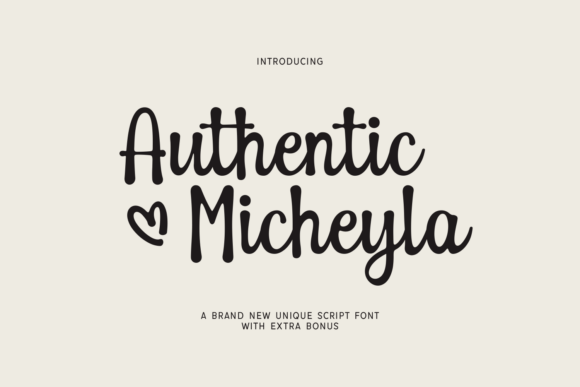
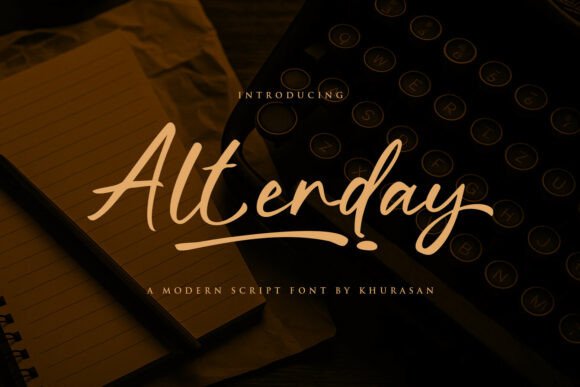
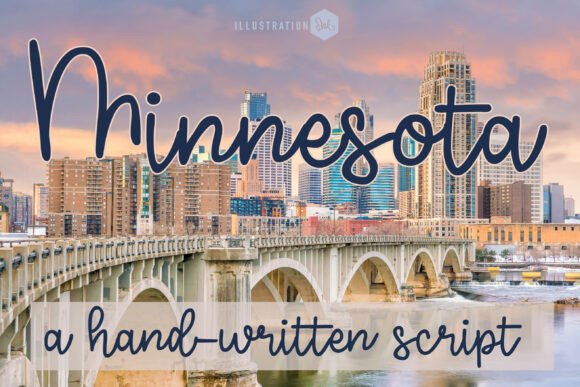
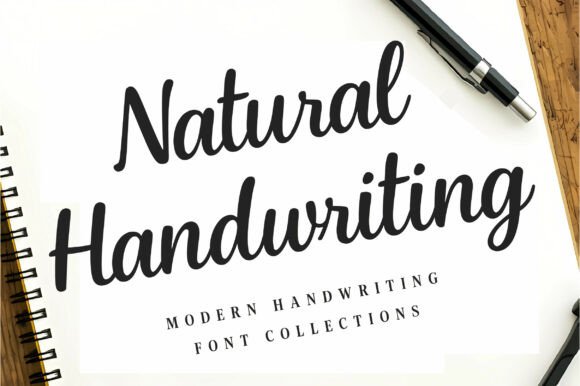
In a digital landscape often dominated by rigid geometry and sterile sans-serifs, there is a growing hunger for authenticity. Audiences are increasingly drawn to designs that feel human, approachable, and sincere. This is where the Natural Handwriting font distinguishes itself from typical script typefaces. Rather than mimicking the elaborate flourishes of calligraphy or the perfection of copperplate, this typeface captures the understated elegance of genuine, everyday penmanship. It represents the way people actually write when they are jotting down a quick note, signing a document, or journaling their thoughts.
The primary appeal of this collection lies in its seamless balance between informality and professional clarity. Many handwritten fonts sacrifice readability for style, resulting in text that looks authentic but is difficult to parse. Natural Handwriting solves this problem by maintaining a moderate weight and consistent baseline. The connections between letters flow naturally without becoming tangled, ensuring that your message remains legible across all media, from large-scale signage to small mobile screens. It is an effortless typeface that brings the warmth of a personal letter into modern graphic design.
Bridging the Gap Between Personal and Professional
For marketers, entrepreneurs, and content creators, the challenge is often finding a voice that feels personal without appearing unprofessional. Standard corporate typography can sometimes create an emotional distance between a brand and its audience. By integrating Natural Handwriting into your visual identity, you signal accessibility and transparency. This font works exceptionally well for businesses that rely on trust and personal connection, such as life coaches, therapists, artisanal brands, and independent educators.
Consider the psychological impact of receiving a thank-you card typed in a standard serif font versus one set in a realistic script. The latter implies that time was taken to craft a specific message, even if it was printed at scale. This typeface allows brands to replicate that feeling of individual attention. It transforms generic marketing materials into what feels like direct communication. Whether used for email signatures, newsletter headers, or product packaging, the font adds a layer of sincerity that polished, mass-produced typography simply cannot achieve.
Practical Applications Across Creative Projects
The versatility of Natural Handwriting makes it a staple for a wide demographic of users, from hobbyists to seasoned art directors. Its realistic texture and organic rhythm allow it to adapt to various contexts without looking out of place. Here are several practical ways this typeface enhances different projects:
- Social Media Graphics: In the fast-scrolling environment of Instagram or Pinterest, text that looks like a candid note stops the scroll. Use this font for quote overlays, story highlights, or carousel covers to create an intimate, diary-like aesthetic that encourages engagement.
- Stationery and Paper Goods: For designers creating journals, planners, or greeting cards, legibility is paramount. This font provides the decorative appeal of handwriting while remaining easy to read in long-form paragraphs or daily prompts.
- Watermarks and Signatures: Photographers and digital artists often struggle with watermarks that distract from their work. The moderate weight of Natural Handwriting allows for subtle branding that protects intellectual property without overpowering the visual composition.
- Educational Materials: Teachers and tutors can use this typeface to create worksheets and handouts that feel less intimidating than standard textbook fonts. The familiar style of everyday penmanship can make learning materials feel more like helpful notes from a mentor.
- Blog Headers and Captions: Break up long blocks of body text by using this script for pull quotes or subheadings. It adds visual variety and emphasizes key takeaways with a human touch.
Why Authenticity Matters in Typography
Choosing a font is never just about aesthetics; it is about communication strategy. When you select Natural Handwriting, you are making a deliberate choice to prioritize relatability. In an era of AI-generated content and automated responses, consumers crave evidence of human involvement. A typeface that mirrors actual motor skills and natural writing rhythms serves as a visual cue of humanity.
This is particularly relevant for lifestyle bloggers and influencers who have built their platforms on sharing personal experiences. Using a hyper-stylized or overly ornate script can sometimes feel performative or disconnected from the "real life" content being shared. Natural Handwriting aligns perfectly with the ethos of candid storytelling. It supports the narrative rather than competing with it, allowing the words themselves to carry the emotional weight. The font’s lack of pretension reinforces the idea that the content is grounded, honest, and unfiltered.
Important Considerations Before You Design
While Natural Handwriting is incredibly versatile, getting the best results requires thoughtful application. Because it mimics real penmanship, it behaves differently than structured display fonts. Understanding these nuances will help you avoid common pitfalls and ensure your design looks polished.
Hierarchy and Pairing
This typeface shines brightest when paired with a clean, simple sans-serif or a classic serif for body copy. Avoid pairing it with other decorative scripts, as this creates visual clutter and reduces legibility. Let Natural Handwriting be the star accent element while a neutral font handles the heavy lifting of information delivery.
Sizing and Spacing
Because the characters are designed to look like quick, informal writing, they may require slightly more breathing room than standard fonts. When setting headlines, test different tracking values to ensure the flowing connections remain distinct. At very small sizes, verify that the moderate weight holds up against busy backgrounds or textured paper stocks.
Contextual Appropriateness
While the font is excellent for personal and relatable branding, consider whether it fits the tone of your specific project. It is ideal for thank-you cards, wellness brands, and creative portfolios, but it might not convey the necessary authority for legal documents, financial reports, or high-tech industrial specifications. Always match the typographic voice to the intent of the message.
Color and Texture
To maximize the realistic effect, consider how color interacts with the font. Dark grey or navy blue often reads more naturally than pure black, which can appear too digital. Additionally, applying subtle texture overlays or using the font on uncoated paper stocks can enhance the tactile illusion of ink on paper, further bridging the gap between digital design and physical reality.
Ultimately, Natural Handwriting offers a sophisticated solution for designers seeking to inject personality into their work without sacrificing professionalism. It respects the intelligence of the reader by prioritizing clarity while honoring the beauty of imperfection. By treating this typeface as a tool for genuine connection rather than mere decoration, you can create designs that resonate deeply with audiences looking for something real in a synthetic world. Whether you are crafting a brand identity, designing a heartfelt gift, or building a community online, this font provides the authentic foundation needed to make your message truly felt.