Evaluating Sample Magnolia for Design Projects
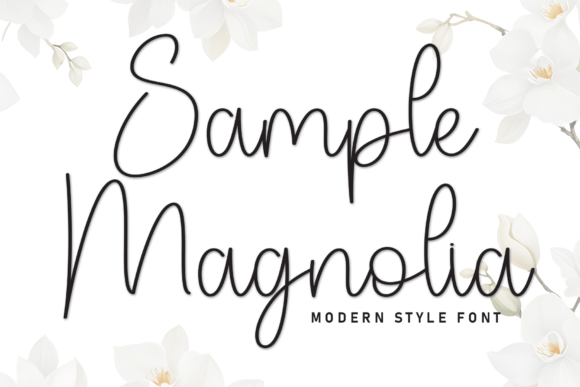
Sample Magnolia is a handwritten script typeface characterized by flowing curves, natural rhythm, and a balance between elegance and playfulness. For designers, marketers, and content creators evaluating typography options, understanding the specific functional and aesthetic attributes of this font is essential. While many script fonts exist in the digital marketplace, Sample Magnolia distinguishes itself through a specific combination of warmth and sophistication. This evaluation explores the practical applications, technical considerations, and strategic fit of this typeface to help determine if it aligns with current project requirements.
Defining the Aesthetic Profile
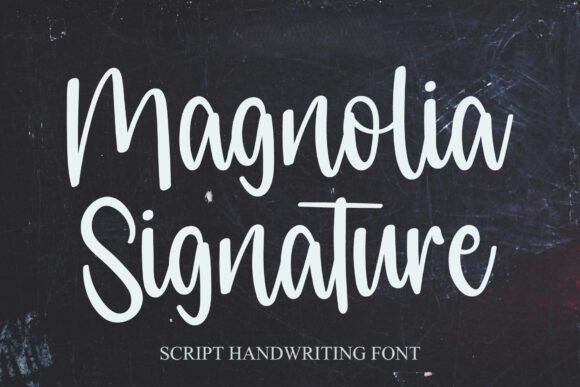
To properly evaluate Sample Magnolia, one must first understand its visual classification. It falls within the category of modern calligraphic scripts but avoids the rigid formality of traditional copperplate or the chaotic illegibility of some grunge-style hand lettering. The design prioritizes a natural stroke variation that mimics authentic penmanship rather than mechanical precision.
The primary visual identifier is the connection between characters. Unlike disconnected display fonts, Sample Magnolia utilizes ligatures and connecting strokes to create a continuous horizontal flow. This rhythm suggests movement and personal attention, which directly influences how viewers perceive the associated brand or message. When assessing this font, observers should note that the "playfulness" mentioned in its description is derived from organic irregularities in the baseline and x-height, while the "elegance" comes from the high contrast between thick downstrokes and thin upstrokes. This duality makes it a versatile candidate for projects requiring a human touch without sacrificing professional polish.
Strategic Use Cases and Applications
Selecting a typeface is rarely about aesthetics alone; it is about communication efficacy. Sample Magnolia performs optimally in specific contexts where emotional resonance is as important as information delivery.
Wedding and Event Stationery
This is perhaps the most common application for this style of typography. The font’s inherent warmth makes it suitable for invitations, save-the-dates, and place cards. However, evaluators should distinguish between its use for names and headers versus body text. Sample Magnolia excels at highlighting couple names, venue details, or thematic phrases. Its decorative nature commands attention, making it ideal for hierarchy establishment in print layouts.
Feminine and Boutique Branding
For brands targeting demographics that value artisanal quality, sustainability, or luxury self-care, this typeface serves as a strong logotype or accent font. Beauty products, jewelry lines, and lifestyle blogs often utilize this aesthetic to signal approachability. In these scenarios, Sample Magnolia functions as a visual shorthand for "handmade" or "personally curated," distinguishing the brand from corporate competitors using geometric sans-serifs.
Social Media and Digital Content
In digital environments, readability on small screens is paramount. Sample Magnolia has been adapted for screen use, but it requires careful implementation. It is effective for Instagram story overlays, Pinterest graphics, and YouTube thumbnails where the text size can be controlled. The flowing nature of the script creates engaging negative space in square or vertical formats, encouraging higher engagement rates compared to standard block text.
Benefits and Functional Advantages
When comparing Sample Magnolia against other script alternatives, several practical benefits emerge:
- Emotional Connectivity: Research in typographic psychology suggests that handwritten styles increase perceived sincerity. Using this font can soften corporate messaging or add intimacy to commercial transactions.
- Versatile Weight Distribution: The stroke contrast provides built-in visual interest without requiring additional graphic elements. This can reduce design clutter in minimalist layouts.
- Natural Rhythm: The spacing is designed to prevent the "floating letter" effect common in lower-quality scripts. This saves designers time during the kerning and tracking adjustment phase.
- Stylistic Alternatives: Many versions of this font include swashes and alternate characters. These allow for customization, ensuring that repeated words in a layout do not look identical, thereby maintaining the illusion of genuine handwriting.
Tradeoffs and Technical Considerations
No typeface is universally appropriate. An objective evaluation must address the limitations and potential pitfalls of using Sample Magnolia.
Legibility Constraints
The very features that make this font charming also limit its utility. Complex ligatures and flourishes reduce legibility at small sizes or low resolutions. It is generally not recommended for body copy, legal disclaimers, navigation menus, or any interface element requiring rapid scanning. If a project requires extensive reading, Sample Magnolia should be restricted to headlines and paired with a highly readable serif or sans-serif companion.
Tone Mismatch Risks
While described as elegant, the playful undertones may clash with industries requiring strict authority or neutrality. Financial institutions, medical facilities, legal firms, and heavy industrial B2B companies may find the font too informal. In these sectors, the perception of "handwritten" can inadvertently signal "unofficial" or "unverified." Evaluators must weigh brand safety against aesthetic preference.
Licensing and Usage Rights
As with many independent typefaces, licensing terms for Sample Magnolia can vary based on the foundry or distributor. Users must verify whether their license covers commercial web embedding, app usage, or merchandise resale. Desktop licenses often do not extend to server-side PDF generation or e-commerce product customization tools. Failing to audit these requirements can lead to compliance issues post-launch.
Decision Framework: Is Sample Magnolia the Right Choice?
To finalize the selection process, stakeholders should apply the following decision matrix:
- Audit the Hierarchy: Does the project need a display font for short bursts of text (under 10 words)? If yes, proceed. If long-form readability is required, look elsewhere.
- Assess Brand Voice: Is the brand voice warm, personal, creative, or luxurious? If the voice is clinical, urgent, or strictly corporate, this font is likely a mismatch.
- Test Across Mediums: Before committing, render the font at the smallest intended size on both mobile and desktop. Check for clipping, overlapping ascenders/descenders, or loss of stroke definition.
- Evaluate Pairing Potential: Sample Magnolia cannot stand alone in most comprehensive design systems. Ensure you have a complementary neutral typeface that shares similar x-height proportions to maintain visual harmony.
- Review Competitor Landscape: Search for direct competitors in the niche. If three major competitors are already using a nearly identical calligraphic script, choosing Sample Magnolia may result in brand blending rather than differentiation. In such cases, a textured brush script or a refined serif might offer better distinction.
Final Evaluation Insights
Sample Magnolia represents a strong option for designers seeking to inject personality and sophistication into visual communications. Its success lies in its ability to bridge the gap between formal calligraphy and casual handwriting. However, its effectiveness is entirely dependent on context. It is a specialized tool best used for emphasis, emotion, and branding rather than information architecture.
By approaching the selection process with an understanding of both its aesthetic strengths and functional limitations, users can leverage Sample Magnolia to create designs that feel both intentional and authentic. When the goal is to convey warmth without losing polish, and when technical constraints regarding legibility are respected, this typeface remains a valuable asset in the modern typographic toolkit.