Evaluating High Empathy Font for Creative Design Projects
Selecting the appropriate typeface is a critical decision in graphic design, influencing not only readability but also the emotional resonance of a project. High Empathy has emerged as a notable option within the script font category, characterized by its modern aesthetic and cute visual tone. For designers, marketers, and content creators evaluating typography options, understanding the specific utility and limitations of this font is essential. This analysis explores the functional characteristics of High Empathy to help determine if it aligns with specific project requirements, balancing its stylistic appeal against practical design considerations.
Defining the Typographic Character of High Empathy
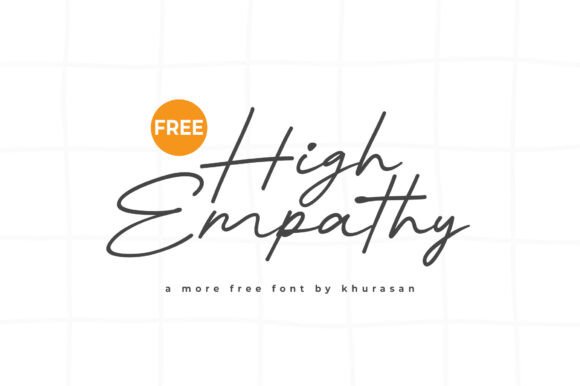
High Empathy is classified as a modern script font that diverges from traditional, formal calligraphy. Instead of rigid historical accuracy, it prioritizes a contemporary, approachable feel often described as "cute" or playful. The letterforms typically feature rounded terminals, fluid connections, and a slightly informal baseline rhythm. This construction creates a sense of warmth and personality that differs significantly from standard serif or sans-serif typefaces.
From a technical evaluation standpoint, the font is designed to mimic hand-lettering while maintaining digital consistency. This balance allows it to function effectively in commercial applications where bespoke hand-drawn elements might be cost-prohibitive or inconsistent across different media. When assessing High Empathy, it is important to recognize it as a display typeface intended primarily for short-form text rather than extended reading. Its primary value proposition lies in its ability to convey emotion and softness instantly, making it a specialized tool rather than a universal typographic solution.
Strategic Applications and Ideal Use Cases
The decision to implement High Empathy should be driven by the specific communicative goals of a project. Based on its visual attributes, this typeface demonstrates strong performance in several key areas:
- Branding and Logos: For brands targeting demographics that value authenticity, care, or playfulness, High Empathy offers a distinct alternative to corporate minimalism. It is particularly effective for boutique businesses, children’s products, wellness brands, and artisanal goods where a personal touch is a selling point.
- Editorial and Publishing: In magazine layouts and book covers, this font serves as an excellent hierarchy marker. It can differentiate pull quotes, chapter titles, or special features from body copy, adding visual texture without overwhelming the page structure.
- Marketing Collateral: Posters, banners, and social media graphics benefit from the font’s high legibility at larger sizes. The "cute" aesthetic can increase engagement rates for campaigns focused on lifestyle, holidays, or community events by creating an immediate emotional connection.
- Packaging Design: Product labels requiring a handmade or organic appearance can utilize High Empathy to suggest craftsmanship. The script style implies human intervention, which can enhance perceived value in food, beverage, and cosmetic packaging.
Evaluating Benefits Against Practical Tradeoffs
While High Empathy offers significant stylistic advantages, objective evaluation requires acknowledging potential tradeoffs. Understanding these factors prevents misuse and ensures professional results.
Visual Impact vs. Readability Constraints
The primary benefit of High Empathy is its distinctive character; it stands out in crowded visual environments where geometric sans-serifs may appear generic. However, this distinctiveness comes with readability constraints. Script fonts inherently reduce scanning speed due to connected letterforms and varying x-heights. Consequently, High Empathy is unsuitable for body text, instructional manuals, legal disclaimers, or any interface element requiring rapid information processing. Designers must reserve this typeface for headlines, logos, and accent text where comprehension time is less critical than emotional impact.
Versatility vs. Contextual Limitations
The font matches an incredibly large set of creative projects, yet it is context-dependent. It excels in informal, feminine, or youthful contexts but may clash with luxury, tech-forward, or institutional branding. Using High Empathy in a financial report or medical signage would likely create cognitive dissonance, undermining trust. Evaluators must assess whether the target audience associates script typography with positive attributes relevant to the brand, or if they associate it with informality that contradicts the message.
Digital Rendering Considerations
Modern script fonts like High Empathy are generally optimized for screen use, but testing is mandatory. Fine details and tight kerning pairs that look elegant in print software may degrade on low-resolution screens or small mobile viewports. Before finalizing a selection for web or app design, it is necessary to test rendering across multiple devices to ensure the "cute" aesthetic does not become illegible noise.
Comparative Analysis: When to Consider Alternatives
Decision-making involves comparing High Empathy against other typographic categories. While it is a strong contender for expressive design, alternatives may be superior depending on specific needs:
- Formal Scripts: If the project requires elegance, tradition, or luxury (e.g., wedding invitations for a conservative client or high-end jewelry branding), High Empathy’s modern cuteness may be too casual. Traditional copperplate or blackletter scripts offer greater gravitas.
- Handwritten Sans-Serifs: For projects needing a personal feel but higher readability than a connected script, handwritten sans-serif fonts provide a middle ground. They retain the human element without the legibility sacrifices of full cursive connections.
- Rounded Sans-Serifs: If the goal is friendliness without the gendered or age-specific connotations sometimes associated with "cute" scripts, rounded geometric sans-serifs offer neutrality with warmth. These are often safer choices for inclusive or broad-audience branding.
Practical Decision-Making Framework
To determine if High Empathy is the correct asset for your current workflow, consider the following evaluation checklist:
- Audit the Hierarchy: Do you have a designated role for a display font? If all text needs to be functional and scannable, skip this font.
- Assess Brand Alignment: Does the "modern and cute" descriptor accurately reflect the brand voice? Avoid forcing a trend if it conflicts with core identity.
- Test Pairings: High Empathy requires a supportive secondary typeface. Evaluate how it interacts with your existing sans-serif or serif library. The contrast between the script and the supporting text must be sufficient to maintain clarity.
- Review Licensing: Ensure the license covers all intended uses, including commercial, webfont, and merchandise applications. Script fonts often have complex licensing tiers based on impression counts or product types.
- Prototype in Context: Never evaluate the font in isolation. Mock up actual deliverables to see how the letterforms behave at intended sizes and in combination with photography or color palettes.
Conclusion
High Empathy represents a valuable resource for designers seeking to inject warmth and modern personality into visual communications. Its strength lies in its ability to transform standard layouts into lovely, emotionally resonant designs suitable for posters, logos, magazines, and banners. However, successful implementation depends on disciplined application. By respecting its limitations regarding readability and contextual appropriateness, creatives can leverage this font to make projects stand out effectively. Ultimately, the choice to use High Empathy should be a strategic decision rooted in audience expectations and functional requirements, ensuring that the aesthetic enhancement supports rather than distracts from the core message.