Twisted Rope Font: Rugged Charm for Creative Projects
The Twisted Rope font brings a tactile, handcrafted aesthetic to digital and print design. Each letter mimics the texture and thickness of real rope, giving it a distinctive, dimensional quality. This font is more than a stylistic choice—it’s a storytelling tool. Whether used in branding, invitations, or product packaging, Twisted Rope adds character and visual interest that resonates with a wide range of audiences.
What Makes Twisted Rope Unique?
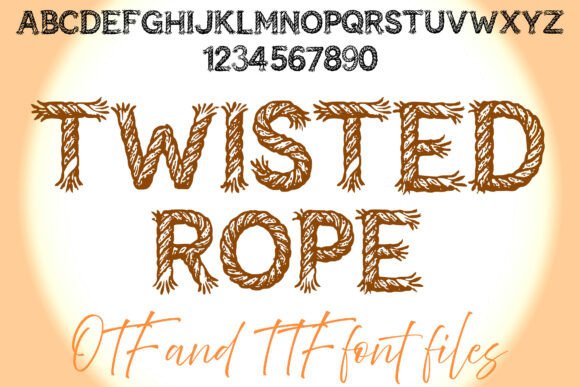
At first glance, Twisted Rope stands out due to its detailed rope-like lettering. Unlike standard fonts that aim for clean lines and uniformity, this typeface embraces imperfection and texture. The result is a bold, rustic appearance that evokes imagery of coastal towns, barn wood signs, and western motifs. Each character is designed with careful attention to knots, twists, and grain, making it feel like a physical object rather than a digital typeface.
This level of detail matters, especially for designers and creators looking to evoke a specific mood or theme. The font works particularly well when a project needs to feel authentic, handcrafted, or rooted in tradition.
Why Twisted Rope Appeals to Different Audiences
The versatility of Twisted Rope makes it relevant to many users. Here's how different groups might approach it:
Beginners and Hobbyists
For those new to design software or typography, Twisted Rope can be an exciting way to add visual flair without needing advanced skills. It’s easy to install and works well in common design programs like Adobe Photoshop, Illustrator, and Canva. Beginners can use it to create posters, social media graphics, or personal projects that feel professionally designed.
One practical example: a hobbyist making a custom invitation for a backyard barbecue can use Twisted Rope to instantly convey a relaxed, rustic vibe without spending hours tweaking design elements.
Professional Designers and Branding Experts
Professionals often look for fonts that can communicate a brand’s personality at a glance. Twisted Rope fits into branding strategies that emphasize authenticity, durability, or outdoor appeal. It’s ideal for companies in agriculture, boating, leather goods, or artisanal products.
For instance, a branding consultant might choose Twisted Rope for a new line of handmade rope sandals, knowing the font will reinforce the brand’s handcrafted image across packaging and marketing materials.
Business Owners and Marketers
Small business owners, especially those in niche markets like rustic décor or outdoor gear, can benefit from using Twisted Rope in promotional materials. It helps differentiate their brand visually, making it stand out in crowded markets. Marketers might use it in email headers, product labels, or social media posts to create a cohesive, memorable aesthetic.
A boutique winery with a vineyard theme could use Twisted Rope on wine labels and event posters to evoke a sense of tradition and craftsmanship.
Educators and Content Creators
Educators creating visual aids or printable worksheets might find Twisted Rope useful for engaging students in specific subjects, like maritime history or rural life. Content creators can also use the font in thumbnails or video titles to match the tone of their material—especially if it’s themed around nature, survival, or DIY projects.
An example could be a YouTube creator making a series on knot-tying techniques. Using Twisted Rope in their video titles reinforces the theme and makes thumbnails more visually cohesive.
Key Considerations When Using Twisted Rope
Like any design tool, Twisted Rope isn’t a one-size-fits-all solution. Here are some factors to consider based on your goals and experience level:
- Readability: While visually striking, Twisted Rope may not be suitable for long blocks of text. It works best as a headline or accent font.
- Theme Match: This font shines when used in projects with a rustic, coastal, or Western theme. It may feel out of place in modern or minimalist designs.
- Customization: Some versions of Twisted Rope include alternate characters or ligatures, giving designers more flexibility to tweak the look.
- Commercial Use: Always check licensing terms, especially if you're using the font for a business or client project.
How to Decide If Twisted Rope Is Right for You
Ask yourself a few key questions before choosing Twisted Rope:
- Does the font match the theme or tone of my project? If you're designing for a rustic wedding, a farm brand, or a nautical-themed event, Twisted Rope likely fits.
- Will it be easy to use in my workflow? Most modern design tools support it, but if you're working with limited software, check compatibility first.
- Am I prioritizing visual impact over readability? Twisted Rope is best for short text like titles, logos, or quotes—not for body copy.
- Do I need flexibility in design options? Some font packages include variations like bold, italic, or shadowed versions, which can expand your creative options.
Practical Uses Across Industries
Twisted Rope has found a home in a variety of creative fields. Here are a few examples:
- Nautical Invitations: Wedding planners use Twisted Rope to create coastal-themed save-the-dates or seating charts.
- Rustic Packaging: Artisan soap makers or candle brands use the font on labels to emphasize natural, handmade qualities.
- Western-Themed Merchandise: Clothing brands selling cowboy hats or boots incorporate the font into tags and hangars.
- DIY Projects: Crafters print Twisted Rope lettering on fabric, wood, or vinyl for personalized signs and gifts.
Final Thoughts
Twisted Rope isn’t just a font—it’s a design element that brings texture and storytelling to your work. Whether you're a beginner trying to enhance a personal project or a professional shaping a brand identity, this font can help you achieve a unique, memorable look. The key is to use it thoughtfully, keeping your audience and project goals in mind.