Stylish Handwriting: A Practical Font for Creative and Professional Workflows
Understanding Stylish Handwriting in the Design Process
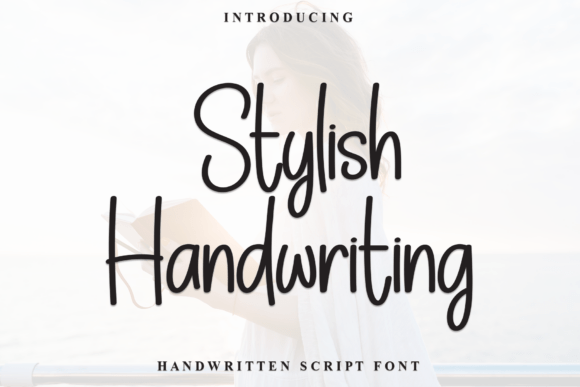
Stylish Handwriting is a modern script typeface that emulates the natural flow of penmanship. Its tall, slightly narrow letterforms and smooth strokes create a sense of elegance without sacrificing readability. This font is particularly effective in design workflows where a human touch is desired—whether for branding, personal correspondence, or creative content. Unlike rigid sans-serif or serif fonts, Stylish Handwriting introduces a relaxed, approachable tone that can enhance both digital and print media.
From a design process standpoint, choosing the right typeface often happens early in the planning phase. Stylish Handwriting fits well in this stage due to its versatility. It can be used for mood boards, mockups, and concept development, helping designers and clients visualize the emotional tone of a project before final assets are created.
Integrating Stylish Handwriting into Creative Workflows
When working on a creative project, such as designing a book cover, logo, or social media graphic, Stylish Handwriting offers a balance between playfulness and professionalism. It works especially well in branding materials that aim to feel personal, such as boutique packaging, wedding invitations, or artisanal product labels.
- Before a project, use the font in early mockups to test visual tone and emotional resonance.
- During execution, incorporate it into final designs where a handwritten aesthetic supports the message or brand personality.
- After launch, maintain consistency by using the same font across supporting materials like thank-you notes, email signatures, or promotional banners.
Its PUA encoding allows for easy access to alternate characters and swashes, which means you can customize letterforms without needing advanced design software. This feature is especially useful when working in platforms like Canva, Adobe Illustrator, or Figma, where glyph customization can elevate the design without complicating the workflow.
Workflow Compatibility and Platform Integration
One of the key strengths of Stylish Handwriting is its compatibility across design tools and platforms. Whether you're creating content for print, web, or mobile, the font adapts well to different formats. Here's how it integrates with common creative environments:
- Adobe Creative Suite: Use in Photoshop for layered text effects or in Illustrator for vector-based logo design. The PUA encoding ensures alternate characters are accessible via the Glyphs panel.
- Canva and Figma: These tools support custom fonts, so you can upload or select Stylish Handwriting for quick, polished designs that maintain a personal feel.
- Microsoft Word and Google Docs: Ideal for personal letters, resumes, or branded stationery where a modern handwritten look is appropriate.
For teams or freelancers collaborating on design projects, ensure that all members have access to the same font file to maintain consistency. If sharing files externally, consider converting text to outlines or embedding the font if supported by the file format.
Practical Use Cases Across Industries
Stylish Handwriting serves a wide range of users—from small business owners crafting social media content to educators designing classroom materials. Below are some practical applications across different fields:
Marketing and Branding
Brands aiming for a warm, personable tone can use this font in packaging, product tags, and digital ads. It works well for lifestyle, wellness, and artisanal brands where authenticity is key. Consider using it in:
- Email marketing headers to add a personal note feel
- Instagram stories and reels for a casual yet polished look
- Brand guidelines for secondary text or callout quotes
Content Creation and Blogging
Blogging platforms and content creators can benefit from Stylish Handwriting in visual assets like quote graphics, infographic titles, or thumbnails. It adds visual interest without overwhelming the viewer. For instance:
- Create quote images with a handwritten flair for Pinterest or Instagram
- Use in video titles or lower thirds for YouTube or TikTok content
- Design printable resources like checklists or planners for blog readers
Education and Learning Materials
Educators and instructional designers can use this font to make learning materials feel more approachable. It’s especially effective in:
- Slide decks and presentation titles for younger audiences or creative subjects
- Handouts and worksheets that benefit from a less formal tone
- Personalized certificates or thank-you notes for students or participants
Best Practices for Using Stylish Handwriting
To get the most out of Stylish Handwriting, follow these practical tips for implementation and long-term use:
1. Pair Thoughtfully
While Stylish Handwriting is versatile, it works best when paired with complementary fonts. For example:
- Use a clean sans-serif like Montserrat or Open Sans for body text when Stylish Handwriting is used for headings.
- Pair with other script fonts for contrast, but avoid using multiple scripts in the same layout to maintain readability.
2. Maintain Readability
Due to its flowing nature, avoid using Stylish Handwriting for large blocks of text. Instead, reserve it for short phrases, headlines, and accents. If used in longer form content, ensure sufficient spacing and contrast against the background.
3. Organize Font Files Efficiently
Keep your font files well-organized, especially if you're using multiple weights or alternate versions. Consider naming conventions like “StylishHandwriting-Regular” and “StylishHandwriting-Swash” to streamline access and avoid confusion in team settings.
4. Use Glyphs and Alternates Strategically
Take advantage of the PUA-encoded glyphs to add stylistic flourishes or customize letterforms. However, use them sparingly to maintain professionalism—especially in business or formal contexts.
Long-Term Use and Consistency
Consistency is crucial when using Stylish Handwriting across multiple projects or over time. If it becomes part of your brand’s visual identity, document its usage in a style guide to ensure it's applied uniformly across all materials. Include guidelines for:
- Appropriate use cases (e.g., headings only, not body text)
- Color and background combinations for optimal contrast
- Spacing and sizing recommendations for different platforms
Additionally, revisit your font choices periodically to ensure they still align with your brand or project goals. While Stylish Handwriting has a timeless quality, trends and audience preferences evolve, so flexibility in design strategy is key.
Conclusion
Stylish Handwriting is more than just a font—it’s a design tool that bridges the gap between modern aesthetics and the warmth of handwritten expression. Whether you're crafting a personal message, developing a brand identity, or enhancing educational materials, this font integrates smoothly into a variety of workflows. With thoughtful implementation, it can elevate your visual communication and create a more engaging experience for your audience.