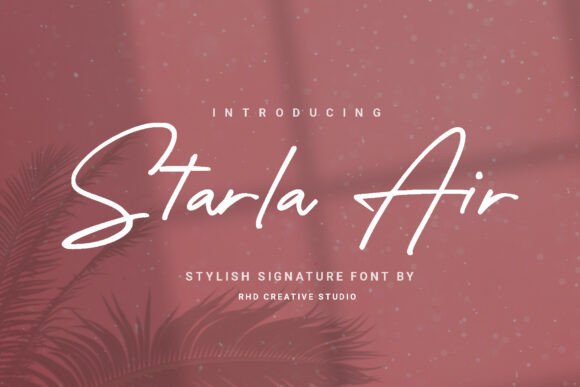
Starla Air: Elevating Design with Elegant Handwritten Typography
In the vast and ever-expanding universe of digital typography, finding a script font that feels genuinely human can be a formidable challenge. Designers and creators often navigate through thousands of options, searching for that perfect balance between artistic expression and functional legibility. Enter Starla Air, a delicate, elegant, and flowing handwritten font that has captured the attention of the creative community. Unlike many display fonts that sacrifice readability for style, Starla Air offers a harmonious blend of aesthetic beauty and practical utility. Understanding why this typeface works so well requires looking beyond its curves and examining how it fits into modern design workflows, branding strategies, and creative projects.
The Anatomy of Elegance: What Defines Starla Air
To truly appreciate Starla Air, one must first understand what makes a handwritten font successful in a professional context. Starla Air is defined by its delicate stroke weight and fluid connectivity. It does not mimic the rigid structure of traditional serif or sans-serif typefaces; instead, it captures the organic rhythm of natural penmanship. The characters are beautifully balanced, meaning the spacing (kerning) and vertical proportions have been meticulously crafted to ensure that no single letter overwhelms its neighbor.
This balance is significant because it addresses a common pain point in script typography: visual fatigue. Many handwritten fonts feature exaggerated swashes or inconsistent baselines that make extended reading difficult. Starla Air avoids these pitfalls. Its elegance lies in its restraint. The flowing nature of the glyphs suggests movement and grace without becoming chaotic. For designers, this means the font serves as a versatile tool rather than a novelty item that can only be used sparingly.
Versatility Across Creative Disciplines
One of the most compelling attributes of Starla Air is its adaptability. Because it possesses such well-balanced characters, it matches a wide pool of designs. This versatility allows it to transcend specific niches, making it valuable for various industries and creative endeavors.
- Wedding and Event Stationery: Perhaps the most natural home for Starla Air is in the realm of celebrations. Its delicate lines evoke romance and sophistication, making it ideal for wedding invitations, save-the-dates, and menu cards. It communicates intimacy without feeling outdated or overly frilly.
- Feminine Branding and Packaging: For boutique brands, skincare lines, or artisanal products, typography sets the emotional tone. Starla Air adds a touch of handcrafted luxury to packaging labels and logos. It suggests that a human being was involved in the creation process, which is a powerful signal in an era of mass production.
- Social Media and Content Creation: In the fast-paced world of Instagram, Pinterest, and TikTok, text overlays need to grab attention instantly while remaining on-brand. Starla Air provides enough visual interest to stop the scroll but remains clean enough to be read quickly on mobile devices.
- Editorial and Blog Design: While generally reserved for headlines or pull quotes, Starla Air can soften the look of minimalist editorial layouts. Pairing it with a structured sans-serif body font creates a dynamic contrast that guides the reader’s eye through the content.
Integrating Starla Air into Modern Workflows
Understanding the aesthetic value of Starla Air is only half the equation; knowing how to implement it effectively is where true design mastery lies. Adding this font to your most creative ideas will help them come alive, but only if applied with intention. Modern design is as much about user experience and accessibility as it is about beauty.
The Art of Font Pairing
Starla Air shines brightest when it has room to breathe. A common mistake beginners make is pairing two script fonts together, which results in visual clutter. Instead, leverage the principle of contrast. Because Starla Air is flowing and organic, it pairs exceptionally well with geometric sans-serifs or classic serifs.
- Select a Supporting Typeface: Choose a neutral font like Montserrat, Lato, or Playfair Display for your body copy or secondary headings. These fonts provide a stable foundation that anchors the ethereal quality of Starla Air.
- Establish Hierarchy: Use Starla Air strictly for primary focal points. Whether it is a logo, a main headline, or a signature element, let it be the star. Relegating it to small print or dense paragraphs diminishes its impact and harms readability.
- Mind the Whitespace: Elegant scripts require generous margins and padding. Crowding Starla Air against other elements suffocates its delicate strokes. Give the letters space to flow naturally across the canvas.
Addressing Common Misconceptions About Script Fonts
Despite their popularity, handwritten fonts like Starla Air are sometimes misunderstood in professional circles. Clarifying these assumptions helps designers use the typeface more confidently and effectively.
Misconception 1: Script fonts are unprofessional.
This assumption stems from the overuse of low-quality, novelty scripts in amateur design. However, high-quality typefaces like Starla Air are engineered with professional standards in mind. When used appropriately in luxury branding or high-end editorial work, they convey exclusivity and attention to detail, which are hallmarks of professionalism.
Misconception 2: Handwritten fonts are hard to read.
Legibility is indeed a concern with many display fonts, but Starla Air was designed with character distinction in mind. The loops are open, and the connections are clear. As long as designers avoid using all-caps (which destroys the connecting flow of any script) and maintain adequate sizing, Starla Air remains accessible to a broad audience.
Misconception 3: It is only suitable for "girly" designs.
While Starla Air possesses a feminine elegance, its clean lines make it gender-neutral in application. It works beautifully for gourmet food branding, literary book covers, and even tech startups aiming for a softer, more human-centric brand identity. The key is context; the surrounding color palette and imagery dictate the overall mood as much as the typeface itself.
Practical Tips for Maximizing Impact
To ensure Starla Air enhances rather than detracts from your project, consider these practical guidelines rooted in typographic best practices:
- Avoid All Caps: Never set Starla Air in uppercase. Script fonts are designed to connect lowercase letters. Uppercase scripts break these connections and create awkward gaps that ruin the visual rhythm.
- Test at Multiple Sizes: What looks beautiful at 72pt may become illegible at 18pt. Always test your chosen size in the final output medium, whether that is a printed business card or a responsive website header.
- Consider Color Contrast: Delicate strokes can disappear against busy backgrounds. Ensure there is sufficient contrast between the text and the background. Solid colors or subtle gradients usually work better than complex photographs behind thin script lettering.
- Utilize OpenType Features: If the version of Starla Air you are using includes OpenType features, take advantage of them. Alternate characters, swashes, and ligatures can add unique flair to specific words, preventing repetition and enhancing the custom, hand-lettered feel.
Why Typography Matters in Digital Communication
Beyond the specific attributes of Starla Air, it is essential to recognize why font choice matters at all. In our digital-first world, typography is the voice of your content. It carries emotional weight before a single word is processed cognitively. A bold, blocky font shouts authority; a delicate, flowing font whispers intimacy.
For educators, marketers, and creatives, mastering tools like Starla Air is about more than aesthetics—it is about effective communication. When you align the visual tone of your typography with the message of your content, you reduce cognitive friction for your audience. They feel understood before they even begin reading. Starla Air facilitates this connection by bridging the gap between digital precision and human warmth.
Conclusion: Bringing Ideas to Life
Starla Air represents a sweet spot in contemporary typography where art meets function. Its delicate, elegant, and flowing nature makes it a standout choice for those seeking to infuse their work with personality and grace. By understanding its balanced construction, respecting its usage guidelines, and pairing it thoughtfully with complementary typefaces, designers can unlock its full potential.
Whether you are crafting a wedding suite, rebranding a lifestyle company, or simply looking to elevate your social media graphics, Starla Air offers a reliable path to sophistication. Add it to your most creative ideas and notice how it makes them come alive. In a landscape saturated with generic visuals, the human touch of a well-crafted handwritten font is not just a stylistic choice—it is a strategic advantage that resonates deeply with audiences craving authenticity and beauty.