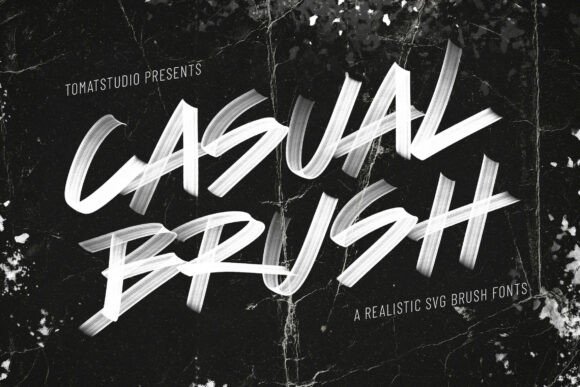
Casualbrush: Realistic Brush Typography
Elevating a design from standard to memorable often hinges on selecting typography that feels authentically human, and Casualbrush delivers exactly that organic connection through its realistic, hand-painted aesthetic. This distinctive typeface captures the raw energy of traditional brushwork while maintaining the precision required for professional graphic design. Whether you are refining a brand identity or crafting social media graphics, this font offers a unique blend of spontaneity and structure that resonates with modern audiences seeking genuine visual experiences.
Understanding the Dual Nature of Casual Brush
What sets this typeface apart in the crowded landscape of script fonts is its thoughtful division into two distinct styles, each serving a specific purpose within a creative workflow. Designers can leverage Casual Brush SVG when texture and detail are paramount. Utilizing advanced SVG technology, this version preserves the intricate edges, ink bleeds, and dry brush effects that occur during actual painting. It is ideal for large-format print design or high-resolution digital displays where authenticity drives engagement.
Conversely, Casual Brush Regular provides a cleaner, solid interpretation of the same artistic strokes. This variation maintains the dynamic slant and fluid movement of the original but removes the textured noise, making it significantly more versatile for smaller applications. In UI design or web headers where readability at reduced sizes is critical, the Regular style ensures the message remains legible without sacrificing the expressive character of the font family.
Strategic Applications in Visual Communication
The slanted, energetic letterforms create an immediate sense of motion, making this typeface a powerful tool for directing attention and establishing visual hierarchy. Because it mimics natural handwriting, it bypasses the sterile feel of geometric sans-serifs, fostering an emotional connection with the viewer. Consider integrating this asset into the following areas:
- Brand Identity and Logo Design: Use the SVG version for primary logos to establish a bespoke, artisanal quality that differentiates the brand from competitors using stock typography.
- Packaging Design: The textured appearance works exceptionally well on product labels, adding a tactile dimension that suggests craftsmanship and premium quality.
- Social Media Graphics: The bold, fluid strokes command attention in fast-scrolling feeds, making headlines and quotes pop against busy backgrounds or negative space.
- Editorial Layouts: Utilize the Regular style for pull quotes or chapter titles to break up dense body text and add rhythmic variety to magazine or blog designs.
- Merchandise and Apparel: The hand-painted feel translates naturally to t-shirts, tote bags, and posters, aligning perfectly with streetwear and lifestyle aesthetics.
Best Practices for Implementation
To maximize the impact of Casualbrush, designers must balance its expressive nature with functional design principles. Since the font carries significant visual weight, it should primarily serve as a display typeface rather than body copy. Pairing it with a neutral sans-serif or a clean serif creates necessary contrast, allowing the brush strokes to shine without overwhelming the composition. This interplay is essential for maintaining a polished, professional presentation across marketing materials and digital products.
Color palette selection also plays a crucial role in how this typography is perceived. High-contrast combinations enhance the legibility of the textured SVG version, while muted, analogous tones can soften the energetic stroke for a more sophisticated editorial look. When working on web design, ensure that the SVG assets are optimized to prevent slow load times, or switch to the Regular OTF/TTF files for performance-critical elements. Always test scalability; what looks beautifully detailed at 72pt may become muddy at 24pt, so knowing when to toggle between styles is key to a successful user experience.
Ultimately, typography is about more than just arranging letters; it is about setting the tone for the entire communication strategy. By choosing assets that offer both artistic integrity and technical versatility, creators can build stronger narratives and more effective visual systems. Thoughtful integration of realistic brush typography not only enhances aesthetics but also reinforces the human element behind the brand, ensuring that every design choice contributes to a cohesive and impactful message.